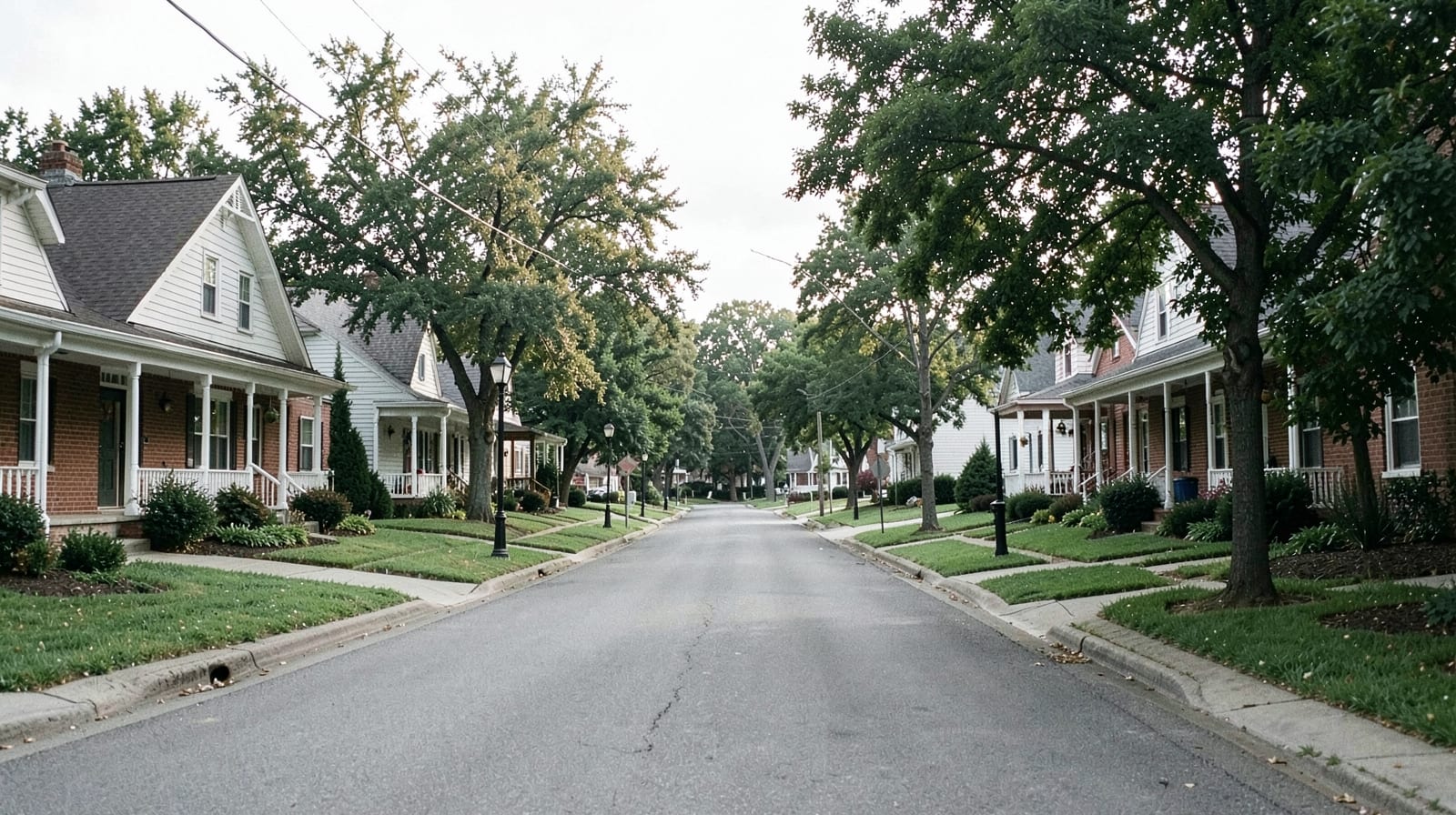
Indoor Air Quality Testing in Franklin, GA
Indoor Air Quality Testing for Franklin, GA properties — Franklin is about 20 miles west of LaGrange, the county seat of neighboring Heard County.
Breathe easier in Franklin, GA with professional indoor air quality testing services from our experienced team. Located just 20 miles west of LaGrange in Heard County, we help homeowners identify and address pollutants, allergens, and other airborne contaminants lurking in your ductwork. Using advanced diagnostic tools, we assess your home’s air and provide clear recommendations to improve ventilation and cleanliness. Serving Franklin as part of our regular LaGrange area route, we ensure your family enjoys cleaner, healthier air.
Why indoor air quality testing matters in Franklin
In Franklin, GA, rural properties on large lots often rely on well water and septic systems, which can emit radon or other harmful gases undetected in open spaces. With fewer industrial regulations and more natural land, pollen, mold, and dust mites thrive, circulating freely in homes. Testing indoor air quality ensures these unseen pollutants—common in spacious, rural areas—don’t compromise health, especially in tightly sealed homes designed for energy efficiency. Proactive testing safeguards your family’s well-being in Heard County’s quiet, expansive landscape.
This service is also available via Indoor Air Quality Testing and Franklin, GA.
What indoor air quality testing actually involves, step by step
Visual and camera inspection. A camera scope is run into accessible sections of the duct system to document dust buildup, biological growth, or damage without disturbing anything, since the point of an inspection-only service is an accurate record of current conditions, not a cleaning.
Airflow and register check. Airflow at each supply and return register is checked and compared against what the system's rated capacity should be able to deliver, identifying registers with reduced flow that may point to a blockage, a disconnected run, or an undersized duct somewhere upstream.
Air sample collection. Where indoor air quality is the specific concern, air samples are collected from the supply air and, separately, room air, and sent to an independent lab rather than analyzed in-house, so the particulate or biological count reported isn't influenced by whoever collected it.
Written findings report. The inspection results are documented in a written report covering which sections showed buildup, any airflow issues found, and lab results if samples were taken, giving the property owner a record to base a cleaning or repair decision on rather than a verbal opinion.
What goes wrong when indoor air quality testing is done badly
Judging buildup by a single register. Checking dust or airflow at only one or two easily accessible registers and generalizing that finding to the whole system can miss a section with far worse buildup that just happens to be harder to reach, giving a misleadingly clean or dirty impression of the whole system.
Skipping the airflow measurement. An inspection that only looks at visible dust and skips measuring actual airflow at the registers misses blockages and disconnected runs that do not show up as visible buildup at all, which is often the more urgent finding for a system with a comfort or efficiency complaint.
How to choose who does the work in Franklin
Is the quote a flat whole-house price, a per-vent price, or a per-register price? These three pricing models can produce very different totals for the same house, so the model should be clear before comparing numbers. Does the quote include the main trunk lines and the HVAC unit's coils and blower, or only the individual vents? Some estimates cover only the visible vent openings, leaving the main lines untouched. What method is used — negative-pressure HEPA vacuum with agitation, or a shop-vac at the vent? A shop-vac at the vent removes far less debris than a whole-system negative-pressure method. Is a before-and-after camera inspection provided so the results can be checked? Without visual confirmation, there is no way to verify how much debris was actually removed. Does the estimate include dryer vent cleaning, or is that a separate service? Duct cleaning and dryer vent cleaning are different systems and are sometimes confused inside a bundled quote. What is the plan if mold or pest contamination is found inside the ducts? Contamination sometimes calls for a different remediation step beyond a standard cleaning, which can change the price.
A price that sounds far too low compared to every other quote for the same house size. Unusually cheap duct cleaning sometimes means a shop-vac at the vents rather than a full negative-pressure system clean. No specification of whether the price is flat-rate, per-vent, or per-register. Without knowing the pricing model, there is no way to tell if the number is actually comparable to another bid. No before-and-after inspection offered. Without a camera check, there is no way to confirm how much debris was actually removed. Pressure to add UV-light or sanitizing treatments on the spot, bundled with no separate breakdown. Bundled add-ons proposed during the visit are harder to evaluate than a written, itemized quote. No mention of whether the HVAC coils or blower are included or excluded from the cleaning. Some estimates cover only the visible duct openings, leaving the unit itself untouched.
What Testing Actually Measures
A particle counter measures fine particulate matter at different points in the home, a hygrometer checks relative humidity (both too high and too low humidity cause separate problems — mold risk on one end, dried-out sinuses and static on the other), and where mold is suspected, an air sample can be sent to an independent lab for species identification and spore-count analysis.
Franklin properties get the same straightforward quote process for indoor air quality testing as the rest of the service area — call to get one.
See Indoor Air Quality Testing in Harrisonville, GA for more — or check out everything LaGrange homeowners can book with us by service type for our complete service area.
Serving Franklin, GA
Ready to get started?
Talk to a local air duct cleaning pro serving Franklin, GA — get a written quote.
Other Services We Offer in Franklin, GA
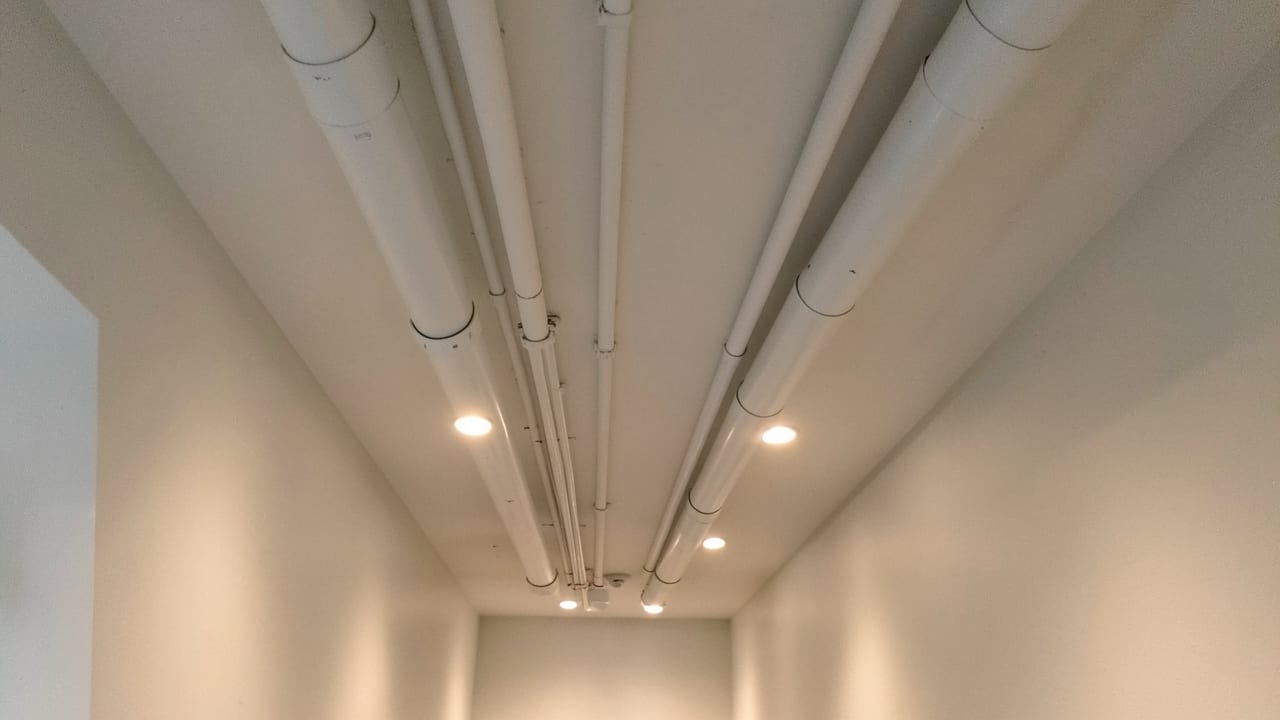
Condo Duct Cleaning in Franklin, GA
Condo Duct Cleaning for Franklin, GA properties — Franklin is about 20 miles west of LaGrange, the county seat of neighboring Heard County.
Learn MoreHOA Duct Cleaning in Franklin, GA
HOA Duct Cleaning for Franklin, GA properties — Franklin is about 20 miles west of LaGrange, the county seat of neighboring Heard County.
Learn More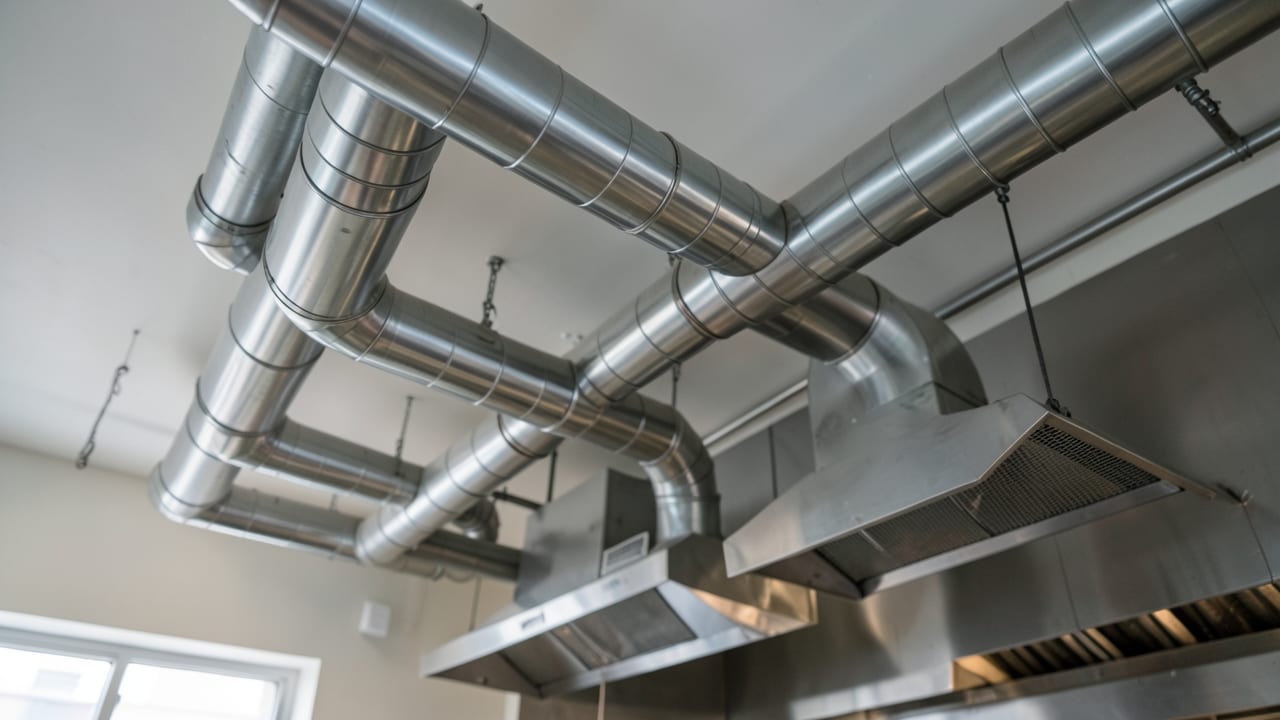
Restaurant Duct Cleaning in Franklin, GA
Restaurant Duct Cleaning for Franklin, GA properties — Franklin is about 20 miles west of LaGrange, the county seat of neighboring Heard County.
Learn More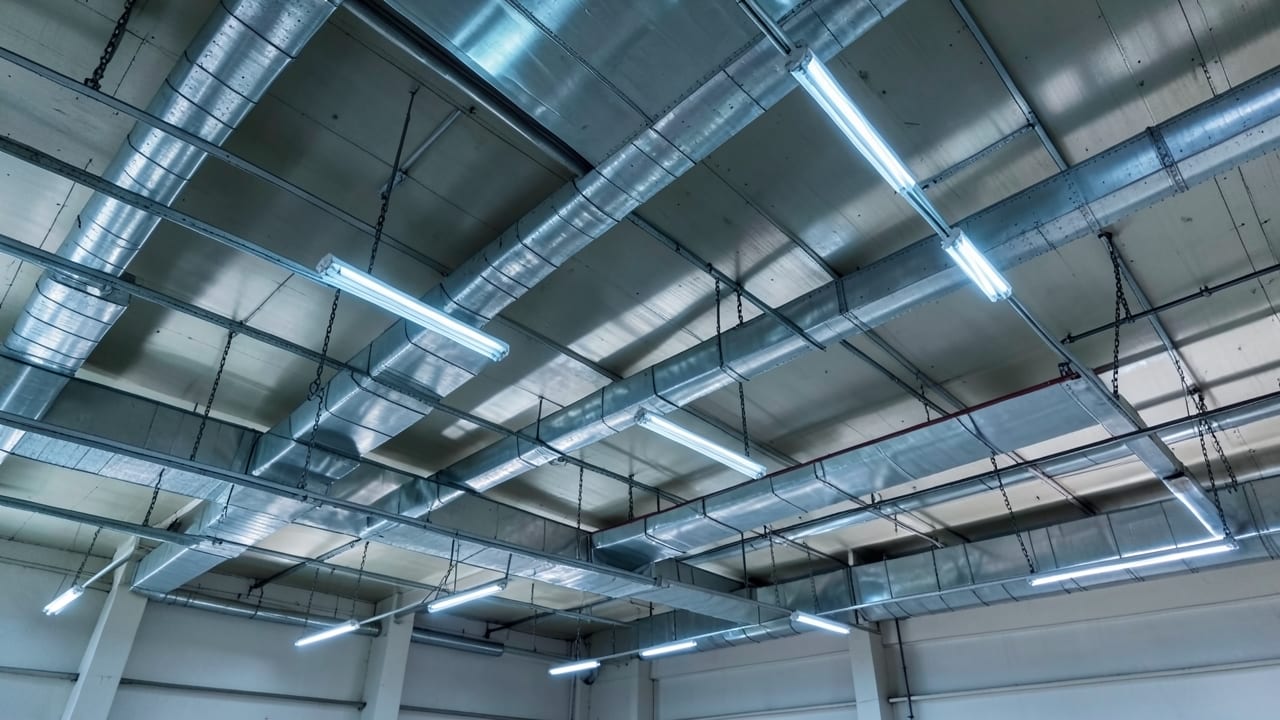
Warehouse Duct Cleaning in Franklin, GA
Warehouse Duct Cleaning for Franklin, GA properties — Franklin is about 20 miles west of LaGrange, the county seat of neighboring Heard County.
Learn More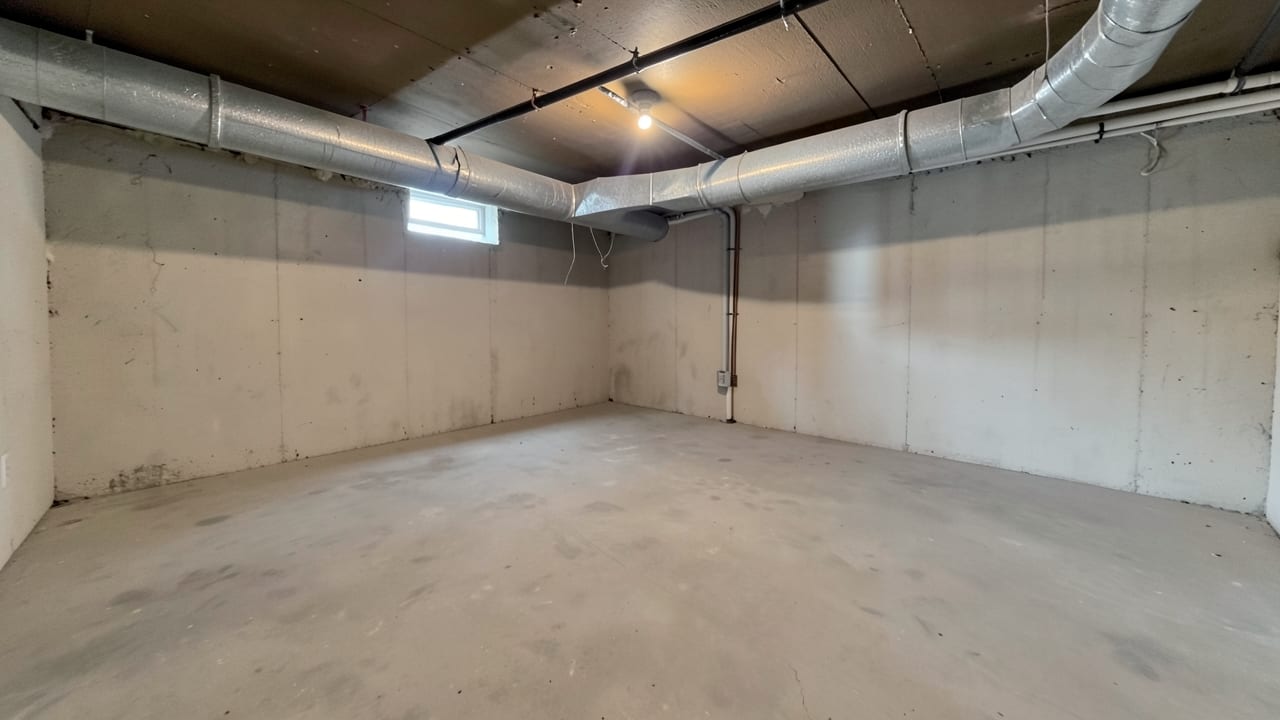
Pet Dander Duct Removal in Franklin, GA
Pet Dander Duct Removal for Franklin, GA properties — Franklin is about 20 miles west of LaGrange, the county seat of neighboring Heard County.
Learn More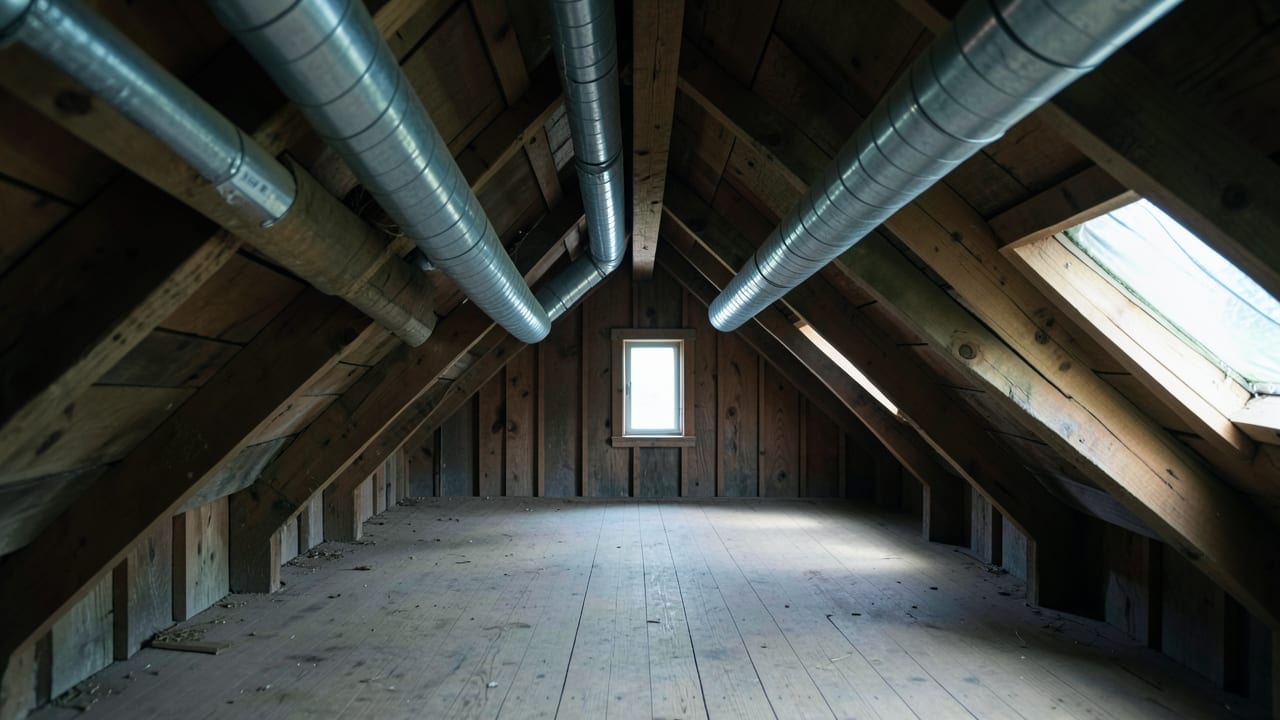
Salt Air Corrosion Duct Treatment in Franklin, GA
Salt Air Corrosion Duct Treatment for Franklin, GA properties — Franklin is about 20 miles west of LaGrange, the county seat of neighboring Heard County.
Learn MoreThe same service is also covered in Harrisonville, GA , on the same terms.
Common Questions About Air Duct Cleaning in Franklin, GA
Everything you need to know about air duct cleaning services in Franklin, GA
How much does Indoor Air Quality Testing typically cost in Franklin, GA?
Does seasonal pollen make duct cleaning more relevant in Franklin, GA?
Does duct cleaning include the coils and blower compartment, or only the ducts themselves?
What's the real difference between flat-rate and per-vent air duct pricing?
How often should air ducts actually be cleaned?
Need Air Duct Cleaning in Franklin, GA?
Get a written quote from our Franklin, GA crew.
⏰ We answer your call • Serving all of Franklin, GA and surrounding areas