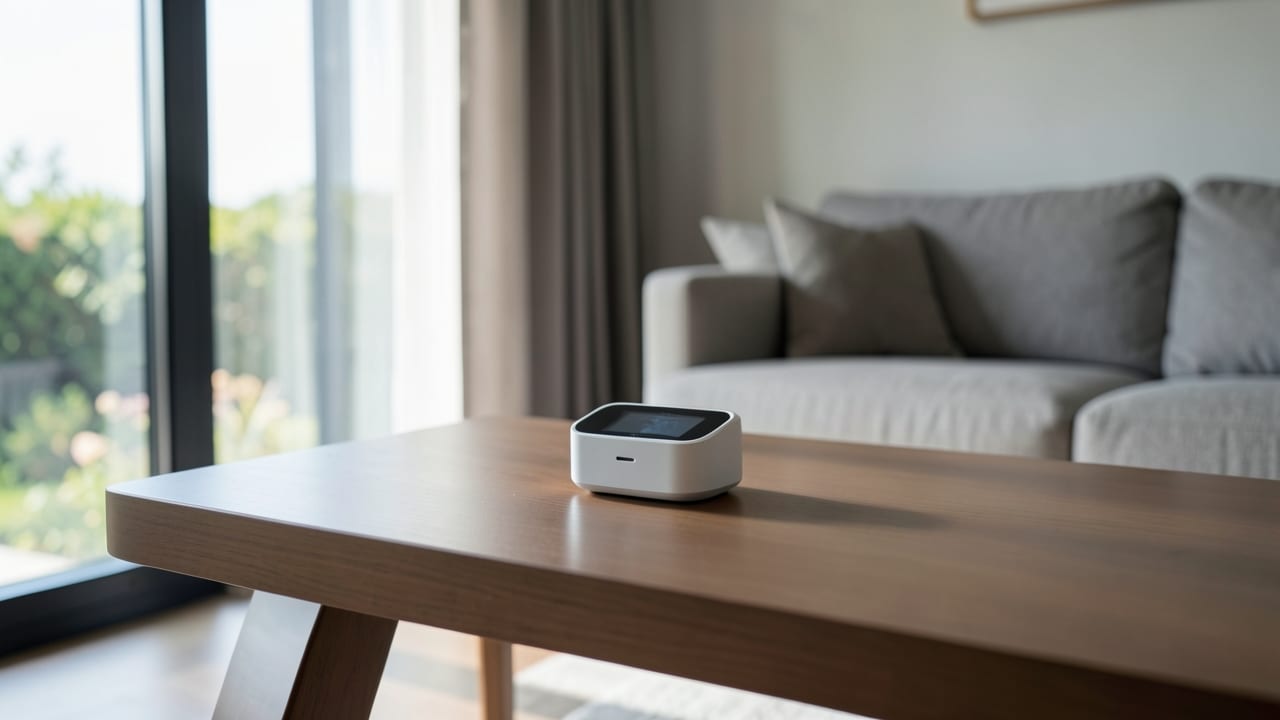
Indoor Air Quality Testing
Indoor air quality testing in LaGrange, GA measures particulate levels, humidity, and allergens to identify what a home's HVAC system is actually circulating.
In LaGrange, GA, indoor air quality testing provides precise measurements of what’s circulating in your home’s air—particulates, humidity, and allergens—rather than relying on scent or appearance. This data helps identify hidden issues like mold spores or high dust levels before they affect your family’s health.
Why Test Your Home’s Air in LaGrange?
Unexplained allergies, respiratory symptoms that improve when you leave home, or a persistent musty odor with no visible cause are all signs your indoor air may need testing. Even without obvious issues, a baseline test can reveal whether a full duct cleaning is justified for your property.
We also handle Blower Motor Cleaning and Evaporator Coil Cleaning for LaGrange properties.
Recent water damage, such as leaks or flooding, can also introduce mold spores into your HVAC system. Testing before and after remediation ensures the problem is fully addressed, not just masked by surface cleaning.
Signs Your LaGrange Home May Need Air Quality Testing
- Allergy or respiratory symptoms that improve when away from home
- Persistent musty smell with no visible mold source
- Recent water intrusion (leaks, flooding, high humidity)
- Visible dust buildup around vents or unusual static shocks
- Planning a duct cleaning and want to confirm its necessity
What Testing Measures and How It’s Done
Indoor air quality testing in LaGrange uses specialized tools to measure what’s actually in your air. A particle counter detects fine particulate matter at multiple points in your home, while a hygrometer checks relative humidity levels—both too high (mold risk) and too low (dry sinuses, static).
If mold is suspected, air samples can be collected and sent to an independent lab for species identification and spore-count analysis. This ensures you’re not guessing about potential health risks.
| Tool | Measures | Why It Matters |
|---|---|---|
| Particle Counter | Fine particulate matter (PM2.5, PM10) | High levels indicate dust, pollen, or other allergens |
| Hygrometer | Relative humidity (%) | Levels below 30% or above 60% can cause health or structural issues |
| Air Sample Kit | Mold spores and species | Identifies hidden mold and its potential health impact |
Testing Before and After Duct Cleaning
Testing is most effective when done both before and after a duct cleaning or mold remediation job. The before reading establishes a baseline of what’s in your air, while the after reading confirms the work made a measurable difference.
This approach ensures you’re not paying for a service that only looks clean. In LaGrange, homeowners often bundle testing with duct cleaning to validate the investment.
How Indoor Air Quality Testing Works
Here’s what to expect during a professional test in your LaGrange home:
- 1Initial Consultation
A technician discusses your concerns, such as allergies or musty smells, and inspects your HVAC system and home layout.
- 2Tool Setup
Particle counters, hygrometers, and air sample kits are placed at strategic points in your home to capture accurate readings.
- 3Data Collection
The equipment runs for a set period, measuring particulate levels, humidity, and (if needed) collecting air samples for lab analysis.
- 4Lab Analysis (Optional)
If mold is suspected, samples are sent to an independent lab for species identification and spore-count analysis.
- 5Results & Recommendations
You receive a detailed report with findings and actionable next steps, such as duct cleaning or humidity control.
Frequently Asked Questions
How long does indoor air quality testing take in LaGrange?
The on-site testing typically takes 1-2 hours, depending on your home’s size and the number of test points. Lab results, if included, usually arrive within 1-3 days.
Does testing include mold identification?
Basic testing measures particulates and humidity. If mold is suspected, an air sample can be collected and sent to a lab for species identification and spore-count analysis for an additional fee.
Can I test just one room, or do I need the whole house tested?
Testing can be customized to focus on specific areas, such as a basement or a room with visible issues. However, whole-home testing provides a more comprehensive understanding of your air quality.
Is air quality testing worth it if I don’t have symptoms?
Yes. Even without symptoms, testing can reveal hidden issues like high dust levels or humidity problems that could lead to future health or structural concerns. It’s also useful for establishing a baseline before deciding on duct cleaning.
See Mountville, GA for more, or check out everything LaGrange homeowners can book with us across the area for our complete lineup.
Ready to get started?
Talk to a local air duct cleaning pro in LaGrange — get a written quote.
Other Air Duct Cleaning Services in LaGrange
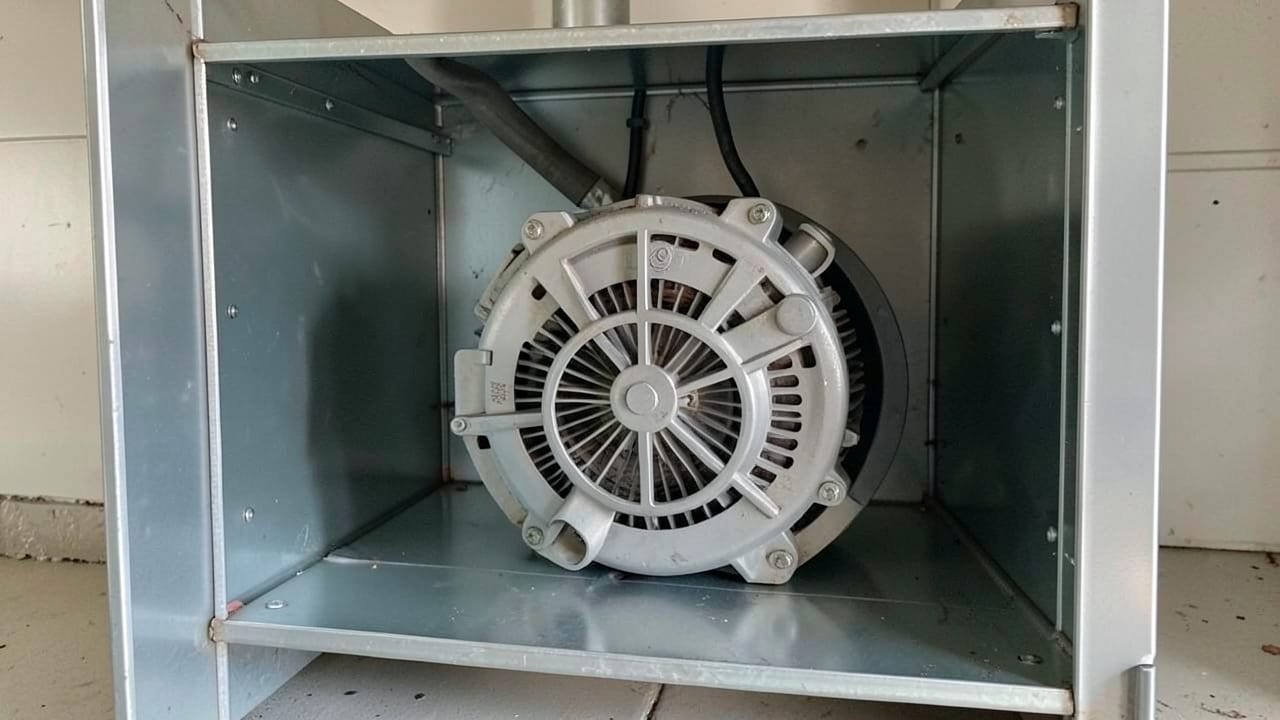
Blower Motor Cleaning in LaGrange, GA
Professional cleaning of the blower motor in HVAC systems to improve airflow and efficiency.
Learn More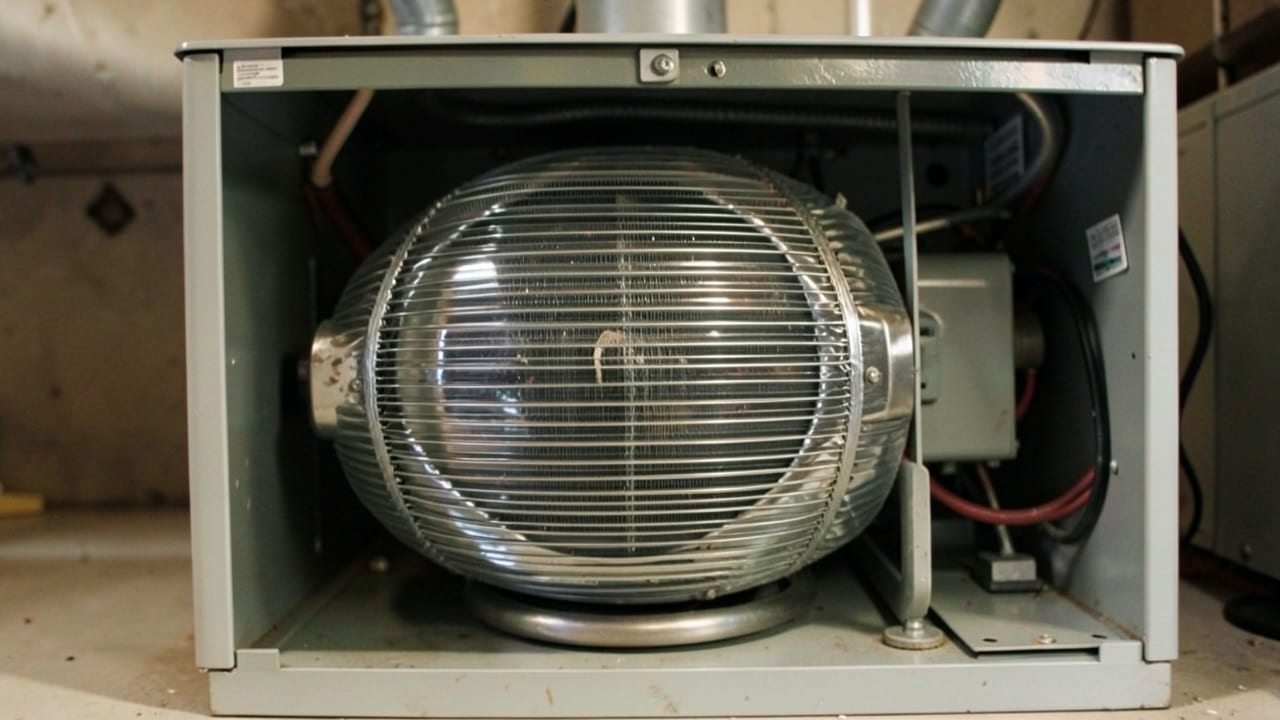
Evaporator Coil Cleaning in LaGrange, GA
Professional cleaning of HVAC evaporator coils to remove dirt, dust, and debris for improved airflow and efficiency.
Learn More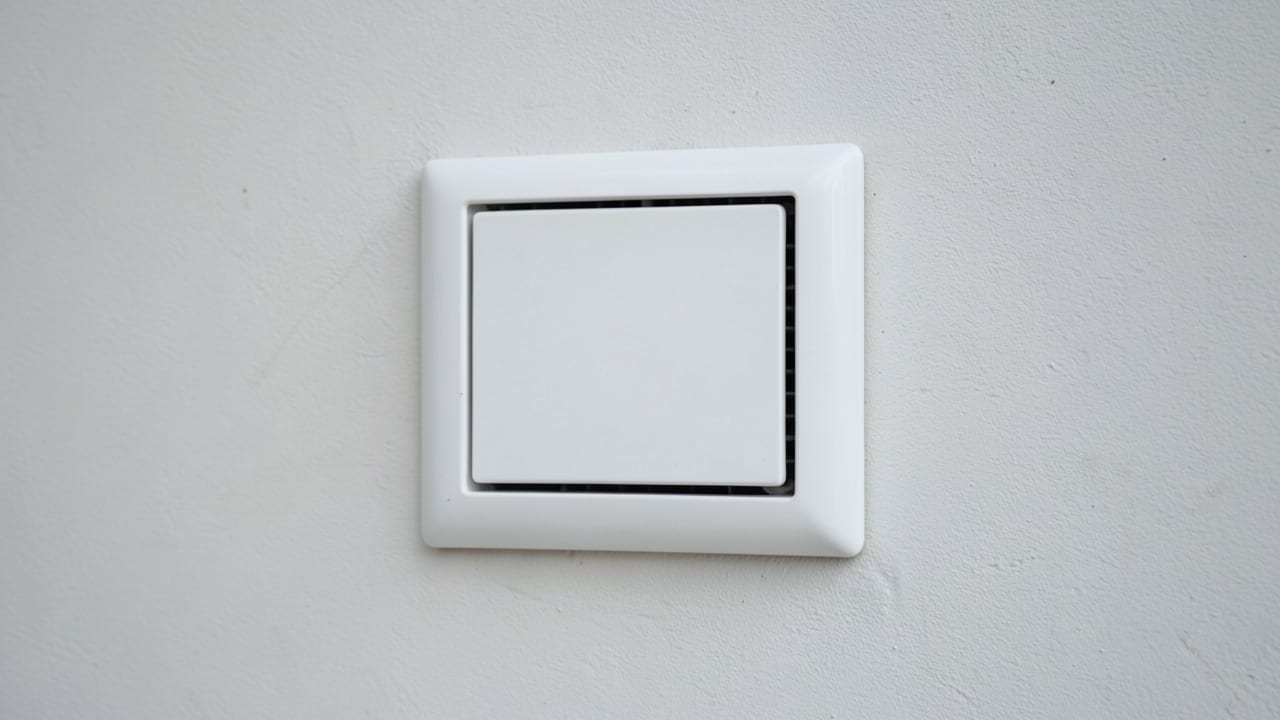
Vent Cover Cleaning in LaGrange, GA
Professional cleaning of vent covers to improve airflow and indoor air quality.
Learn More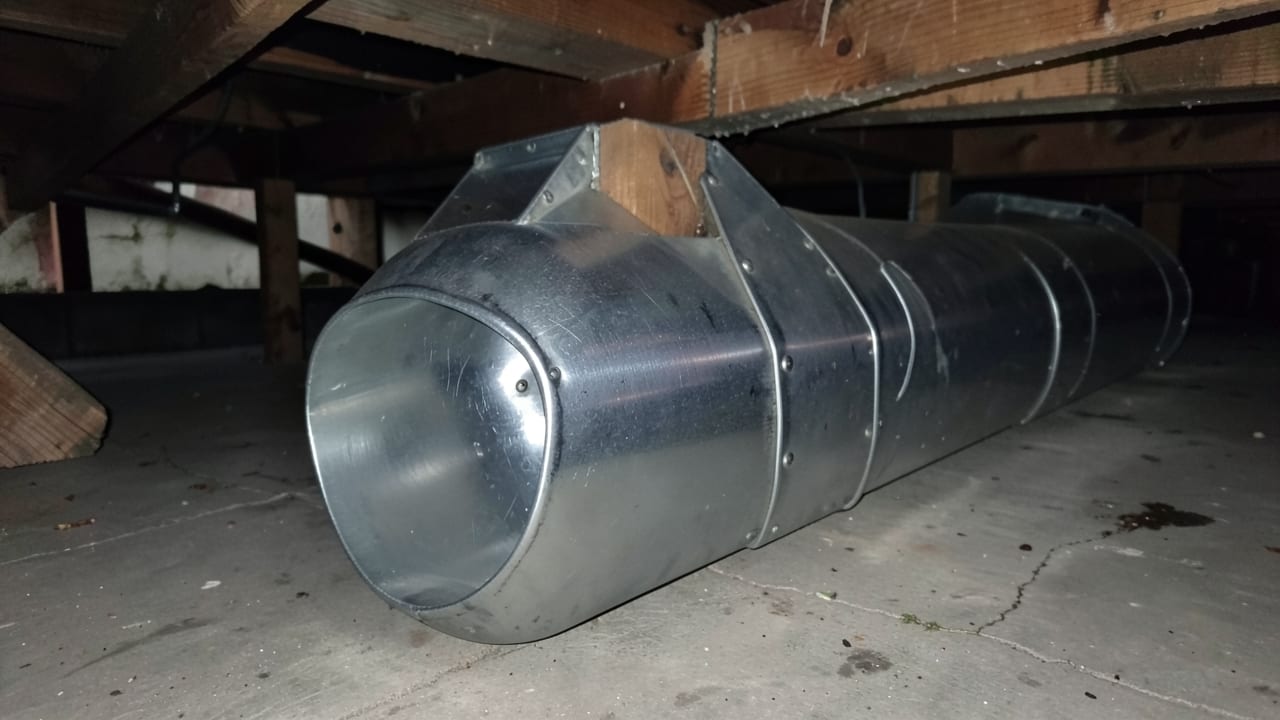
Galvanized Duct Cleaning in LaGrange, GA
Professional cleaning of galvanized air ducts to remove dust, debris, and contaminants from HVAC systems.
Learn More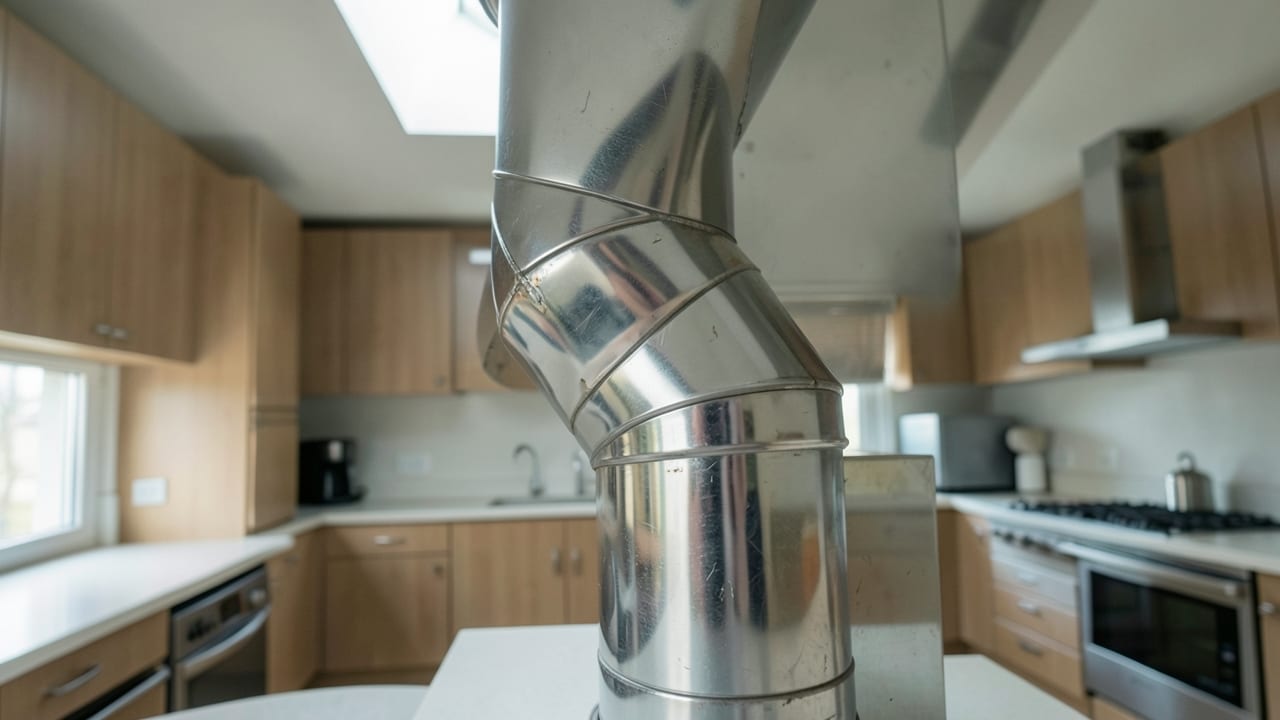
Stainless Steel Duct Cleaning in LaGrange, GA
Professional cleaning of stainless steel ductwork to remove dust, debris, and contaminants from HVAC systems.
Learn More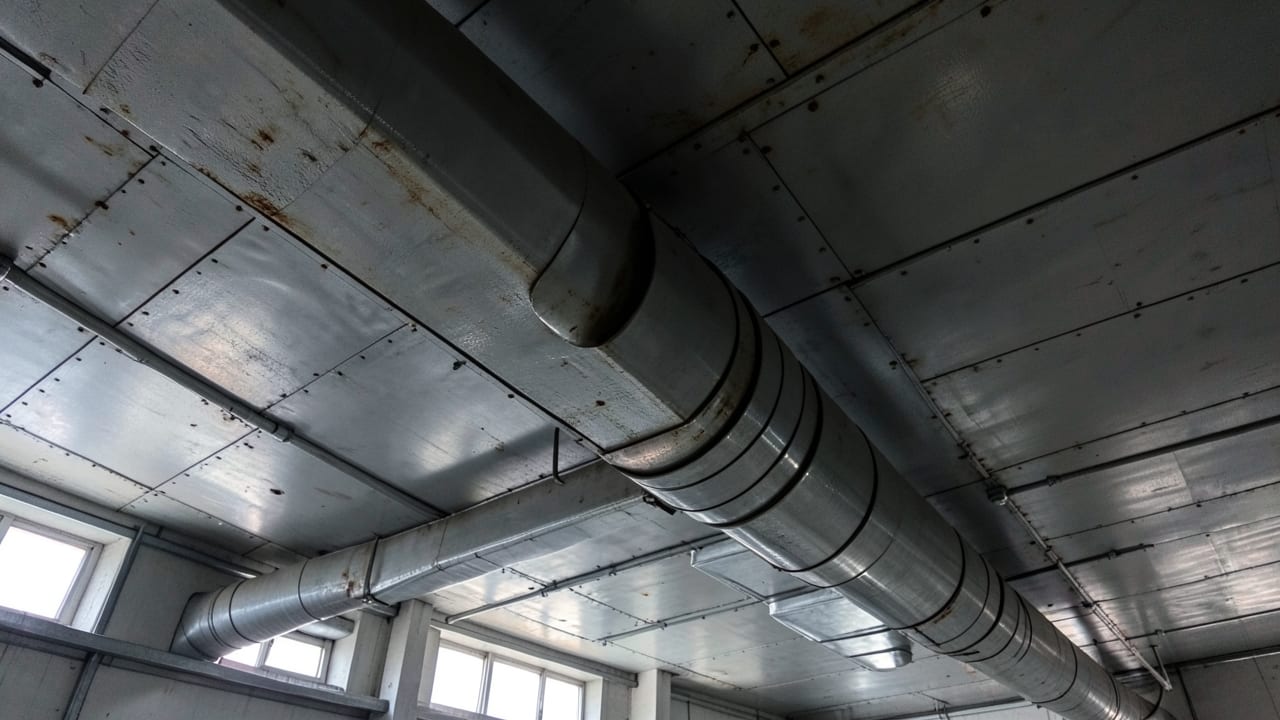
Spiral Duct Cleaning in LaGrange, GA
Professional cleaning of spiral ductwork to remove dust, debris, and contaminants from HVAC systems.
Learn MoreCommon Questions About Air Duct Cleaning in LaGrange
Everything you need to know about air duct cleaning services in LaGrange
How much does Indoor Air Quality Testing typically cost in LaGrange, GA?
Does seasonal pollen make duct cleaning more relevant in LaGrange, GA?
How often should air ducts actually be cleaned?
What does an air duct cleaning appointment actually involve, step by step?
Does dirty ductwork actually cause allergy or respiratory symptoms?
Can air ducts be cleaned with a household vacuum instead of hiring it out?
Need Air Duct Cleaning in LaGrange?
Get a written quote from our LaGrange crew.
⏰ We answer your call • Serving all of LaGrange and surrounding areas