Why Mold Loves Your Air Ducts—and How to Stop It in LaGrange
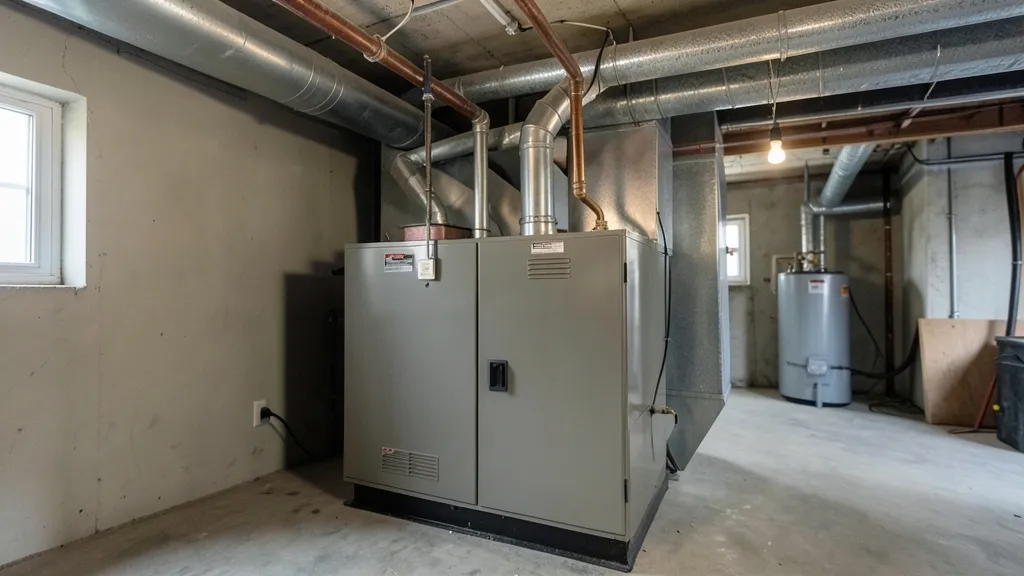
Mold in your air ducts isn’t just unsightly—it’s a silent invader that worsens allergies, triggers respiratory issues, and spreads spores throughout your home. In our humid Georgia climate, ductwork provides the perfect dark, damp environment for mold to take hold and multiply.
How Mold Finds Its Way Into Your Ducts
Mold spores are everywhere, but they only grow when they land on moist surfaces. Your ductwork collects dust, dirt, and organic debris—all of which feed mold when moisture is present.
In LaGrange, high humidity levels—especially during long summers—create condensation inside ducts. Leaky or poorly insulated ductwork in attics or crawl spaces makes the problem worse.
Signs You Might Have Mold in Your Air Ducts
A musty odor when the HVAC runs is the most common red flag. If the smell lingers even after changing filters, mold is likely present.
Visible dark spots around vents or on duct surfaces are clear indicators. So are unexplained allergy flare-ups or respiratory issues that improve when you’re away from home.
Common Mold Warning Signs
- Persistent musty smell from vents
- Black or greenish spots inside ducts or on registers
- Increased dust buildup despite regular cleaning
- Worsening allergies or asthma symptoms indoors
Why LaGrange Homes Are Especially Vulnerable
Our region’s warm, humid climate means HVAC systems work overtime, pulling in moist air. If your system isn’t properly sized or maintained, it can’t dehumidify effectively.
Older homes in neighborhoods like LaGrange’s historic district often have aging ductwork with gaps or poor insulation, which traps moisture and debris. Even newer homes in areas like Pine Mountain can suffer if ducts weren’t installed correctly.
Ducts running through unconditioned crawl spaces are prime targets for mold. Without proper sealing and insulation, they sweat and collect moisture year-round.
Mold vs. Mildew: What’s the Difference in Your Ducts?
Mildew is a surface-level fungus that’s easier to clean and less harmful. It appears as gray or white patches and thrives on moisture but doesn’t penetrate materials deeply.
Mold, on the other hand, can be black, green, or even pink. It digs into porous surfaces like fiberglass duct liners and releases spores that spread through your home’s airflow.
| Feature | Mildew | Mold |
|---|---|---|
| Appearance | Gray or white, powdery | Black, green, or pink, fuzzy or slimy |
| Surface Depth | Stays on surface | Penetrates materials |
| Health Risk | Mild irritation | Respiratory issues, allergies, toxic in some cases |
| Removal Difficulty | Easier to clean | Often requires professional treatment |
The Health Risks of Ignoring Moldy Ducts
Mold spores circulating through your HVAC system can trigger asthma attacks, chronic sinusitis, and skin irritation. Children, the elderly, and those with compromised immune systems are most at risk.
Long-term exposure may lead to more serious respiratory conditions. Even if you don’t see mold, spores can still be present and affecting your indoor air quality.
If you suspect mold but aren’t sure, professional indoor air quality testing can identify spore counts and types. This is especially useful in homes with unexplained health issues.
How Professional Air Duct Cleaning Stops Mold in Its Tracks
Our team uses high-powered vacuums and specialized brushes to remove mold, dust, and debris from every inch of your ductwork. This includes supply and return ducts, registers, and even the blower motor.
For stubborn mold, we apply EPA-approved antimicrobial treatments to kill spores and prevent regrowth. In severe cases, UV light sanitization can be installed to continuously purify air as it passes through.
Preventing Mold Regrowth After Cleaning
Controlling humidity is key. Aim to keep indoor levels between 30-50%. A dehumidifier can help, especially in basements or crawl spaces where ducts run.
Regular HVAC maintenance, including coil cleaning and air filter replacement, reduces moisture and debris buildup. Sealing duct leaks and improving insulation also prevents condensation.
When to Call a Pro: DIY vs. Professional Mold Remediation
Surface mildew on vents can sometimes be cleaned with a vinegar solution and a brush. However, if mold is inside the ducts or covers a large area, professional equipment is required to reach and remove it safely.
Attempting to clean moldy ducts yourself can release more spores into your home. In LaGrange, where humidity fuels rapid regrowth, professional treatment ensures the problem is fully resolved.
How to Reduce Mold Risk in Your Ducts Between Cleanings
These simple steps can help keep your ductwork drier and cleaner between professional services.
- 1Control Indoor Humidity
Use a hygrometer to monitor levels and run a dehumidifier if needed, especially during LaGrange’s humid summers.
- 2Change Air Filters Regularly
Replace filters every 1-3 months with high-quality pleated filters (MERV 8-12) to trap mold spores and dust.
- 3Inspect and Seal Ductwork
Check for gaps or disconnected joints in visible duct sections. Seal leaks with mastic or metal tape—never duct tape.
- 4Improve Ventilation
Ensure bathrooms, kitchens, and laundry rooms have working exhaust fans to vent moisture outside, not into your attic or crawl space.
- 5Schedule Annual HVAC Maintenance
Have a professional inspect your system, including coils and drain pans, which are common mold hotspots.
Frequently Asked Questions
Can mold in air ducts make my family sick?
Yes. Mold spores can trigger allergies, asthma, and respiratory infections. Symptoms often include coughing, sneezing, itchy eyes, and skin irritation. Those with weakened immune systems may experience more severe reactions.
How do I know if my LaGrange home’s ducts need cleaning?
Look for visible mold, excessive dust around vents, or a musty odor when the HVAC runs. If anyone in your home has unexplained allergies or respiratory issues, it’s worth requesting an inspection.
Does air duct cleaning remove all mold?
Professional cleaning removes existing mold and debris, but it won’t prevent regrowth without addressing moisture. For lasting results, combine cleaning with humidity control and duct sealing.
Is UV light sanitization effective for mold in ducts?
Yes. UV-C light kills mold spores and bacteria as air passes through the HVAC system. It’s a great add-on for homes in humid climates like West Point or Hogansville, where mold regrowth is a recurring issue.
Can I clean moldy ducts myself?
Surface cleaning on vents is possible, but ducts require specialized tools to reach deep inside. DIY attempts often miss hidden mold and can spread spores. For safety and thoroughness, professional cleaning is recommended.
How long does it take to clean moldy ducts in a typical LaGrange home?
Most residential duct cleaning jobs take 2-4 hours, depending on the size of your home and the extent of contamination. Larger homes or those with complex ductwork may take longer.