Why Air Duct Cleaning Matters for Healthier Homes in LaGrange
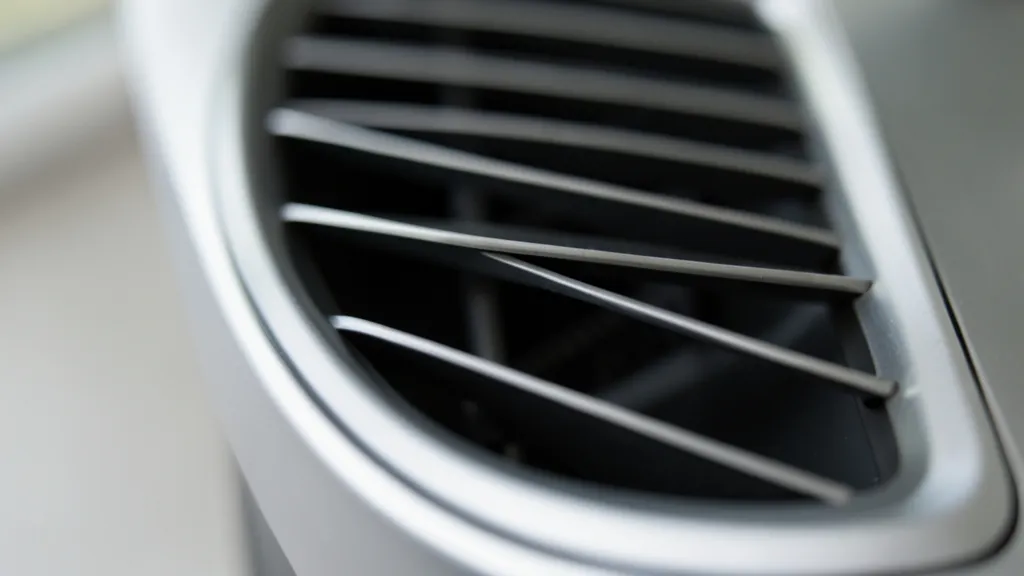
The air inside your home can be up to five times more polluted than outdoor air, and your ductwork is often the hidden culprit. In our region’s humid climate, dust, mold, and allergens thrive in unclean ducts, circulating through your living spaces every time the HVAC kicks on. Professional air duct cleaning removes these contaminants, improving air quality and system efficiency.
How Dirty Ducts Affect Your Indoor Air Quality
Every time your HVAC system runs, it pulls air through the return ducts, where dust, pet dander, and pollen accumulate. These particles then spread throughout your home, aggravating allergies and respiratory issues.
In Georgia’s warm, humid summers, moisture in the ducts can also promote mold and mildew growth. These spores aren’t just unsightly—they can trigger asthma attacks and other health problems, especially in children and the elderly.
Even in drier months, fine particulates like dust mites and bacteria linger in the system. Without regular cleaning, your ducts become a reservoir for indoor air pollution.
Signs Your LaGrange Home Needs Air Duct Cleaning
Visible dust blowing from vents when the HVAC starts is a red flag. If you notice dust settling on furniture shortly after cleaning, your ducts may be overdue for a professional service.
Unexplained musty odors often indicate mold or mildew in the ductwork. These smells persist because the spores continue circulating, even if you can’t see them.
Increased allergy symptoms or respiratory issues among household members can also signal poor indoor air quality. If symptoms improve when you’re away from home, your ducts might be the cause.
Red Flags for Dirty Ducts
- Dust puffs from vents when HVAC turns on
- Persistent musty or stale odors indoors
- Unexplained allergy flare-ups at home
- Visible mold around vent covers or ductwork
- Reduced airflow from certain vents
The Link Between Duct Cleaning and HVAC Efficiency
Clogged ducts force your HVAC system to work harder to maintain the same airflow. This strain reduces efficiency, shortens the lifespan of components like the blower motor, and drives up energy costs.
In areas like Hogansville or West Point, where older homes are common, ductwork may have years of buildup. Cleaning restores proper airflow, helping your system run at its rated CFM and SEER efficiency.
Regular duct maintenance also prevents dust from coating the evaporator coil. A clean coil transfers heat more effectively, improving cooling performance during LaGrange’s hot summers.
Air Duct Cleaning vs. DIY Solutions: What Works?
Vacuuming vent covers or using a shop vac might remove surface dust, but it won’t reach deep into the ductwork. Most residential vacuums lack the power to dislodge stubborn debris or access tight spaces.
Professional duct cleaning uses specialized tools like high-powered vacuums, brushes, and air whips to agitate and remove contaminants. Technicians also inspect for mold, pests, or damage that DIY methods miss.
For homes in Franklin or Grantville with older systems, DIY attempts can even cause damage. Improper tools may puncture flex duct or dislodge joints, leading to costly repairs.
| Aspect | Professional Cleaning | DIY Methods |
|---|---|---|
| Depth of Cleaning | Full system: supply, return, and trunk lines | Surface-level only |
| Equipment Used | HEPA vacuums, rotary brushes, air whips | Household vacuum or duster |
| Mold/Pest Detection | Yes, with inspection tools | No |
| Safety | Trained technicians, no system damage | Risk of damaging ducts or HVAC components |
| Time Required | 2-4 hours for average home | Hours to days, with limited results |
How Humidity in LaGrange Impacts Duct Health
Our region’s high humidity levels create ideal conditions for mold and mildew in ductwork. Moisture can enter through leaks, condensation, or even from the air handler’s drain pan.
Once mold takes hold, it spreads quickly through the system. Spraying household cleaners won’t solve the problem—professional mold treatment for ducts is required to kill spores and prevent regrowth.
In Pine Mountain or West Point, homes near wooded areas may also face higher pollen counts. This organic matter sticks to damp duct surfaces, feeding microbial growth.
Never attempt to clean moldy ducts with bleach or over-the-counter sprays. These can release toxic fumes into your home. A licensed professional uses EPA-approved treatments to safely remediate the issue.
Additional Services to Boost Indoor Air Quality
Air duct cleaning is just one part of a comprehensive IAQ strategy. Dryer vent cleaning prevents lint buildup, a fire hazard that also restricts airflow and reduces dryer efficiency.
HVAC coil cleaning removes dirt from the evaporator and condenser coils, which can harbor mold and bacteria. Clean coils improve cooling performance and prevent icy buildup in summer.
For homes with persistent IAQ issues, indoor air quality testing identifies specific pollutants. UV light and sanitization treatments can then target bacteria, viruses, and mold spores in the ductwork.
How Often Should You Clean Your Ducts?
The National Air Duct Cleaners Association (NADCA) recommends cleaning every 3 to 5 years for average homes. However, households with pets, smokers, or allergy sufferers may need service every 2 to 3 years.
In LaGrange’s climate, homes with high humidity or frequent HVAC use should lean toward the shorter interval. After renovations, cleaning is also wise to remove construction dust from the system.
Commercial properties, like offices or retail spaces in Grantville or Hogansville, often require more frequent cleaning due to higher occupancy and airflow demands.
What to Expect During a Professional Duct Cleaning
Our team begins with a thorough inspection of your ductwork, checking for damage, mold, or pest infestations. We’ll also assess your HVAC system’s overall condition.
Using powerful vacuums and agitation tools, we dislodge and remove debris from all components: supply ducts, return ducts, registers, grilles, and the air handler. For stubborn buildup, we may use soft-bristle brushes or air whips.
After cleaning, we can apply sealants or antimicrobial treatments if needed. A final inspection ensures all contaminants are removed and the system is reassembled correctly.
Clear furniture and rugs near vents to give technicians full access. Turn off your HVAC system beforehand, and expect some noise during the process—it’s a sign the equipment is working!
How to Maintain Cleaner Ducts Between Professional Services
While professional cleaning is essential, these steps help keep your ducts in better shape year-round.
- 1Change Air Filters Regularly
Replace HVAC filters every 1-3 months, depending on the MERV rating and household conditions. Higher MERV filters (8-13) capture more pollutants but may require more frequent changes.
- 2Use High-Quality Filters
Opt for pleated filters with a MERV rating of at least 8. These trap smaller particles like pollen and pet dander, reducing duct contamination.
- 3Seal Duct Leaks
Inspect visible ductwork for gaps or disconnections, especially in attics or crawl spaces. Use mastic sealant or metal tape to seal leaks, preventing dust and moisture from entering.
- 4Control Indoor Humidity
Keep humidity levels between 30-50% with dehumidifiers or whole-house solutions. This discourages mold growth in ducts and throughout your home.
- 5Vacuum and Dust Regularly
Reduce the amount of dust and debris entering your ducts by vacuuming carpets, upholstery, and vents weekly. Use a HEPA-filter vacuum for best results.
- 6Schedule Annual HVAC Maintenance
Have a professional inspect and service your HVAC system yearly. This includes checking the coil, blower, and drain pan—key areas that impact duct cleanliness.
Frequently Asked Questions
Does air duct cleaning really improve allergy symptoms?
Yes. Removing dust, pet dander, pollen, and mold spores from your ducts reduces the allergens circulating in your home. Many LaGrange residents report fewer allergy flare-ups after a thorough cleaning, especially during high-pollen seasons like spring and fall.
How long does air duct cleaning take for an average home?
A typical single-family home in LaGrange or nearby areas like Hogansville takes 2 to 4 hours, depending on the system’s size and complexity. Larger homes or those with extensive ductwork may require additional time.
Can dirty ducts make my HVAC system less efficient?
Absolutely. Clogged ducts restrict airflow, forcing your HVAC to work harder to heat or cool your home. This increases energy consumption and wear on components like the blower motor, potentially leading to costly repairs.
Is duct cleaning necessary if I don’t have allergies?
Even without allergies, dirty ducts can harbor bacteria, dust mites, and other contaminants that affect air quality. Plus, clean ducts improve HVAC efficiency, saving you money on energy bills and extending your system’s lifespan.
What’s the difference between duct cleaning and coil cleaning?
Duct cleaning focuses on removing debris from the ductwork itself, while coil cleaning targets the evaporator and condenser coils in your HVAC system. Both are important: dirty coils reduce efficiency and can spread contaminants, just like dirty ducts.
Do you serve areas outside LaGrange, like Pine Mountain or West Point?
Yes, our team provides air duct cleaning and related services across the region, including Hogansville, West Point, Franklin, Grantville, and Pine Mountain. Request a quote to confirm availability for your location.