What to Expect During a Professional Duct Inspection in LaGrange
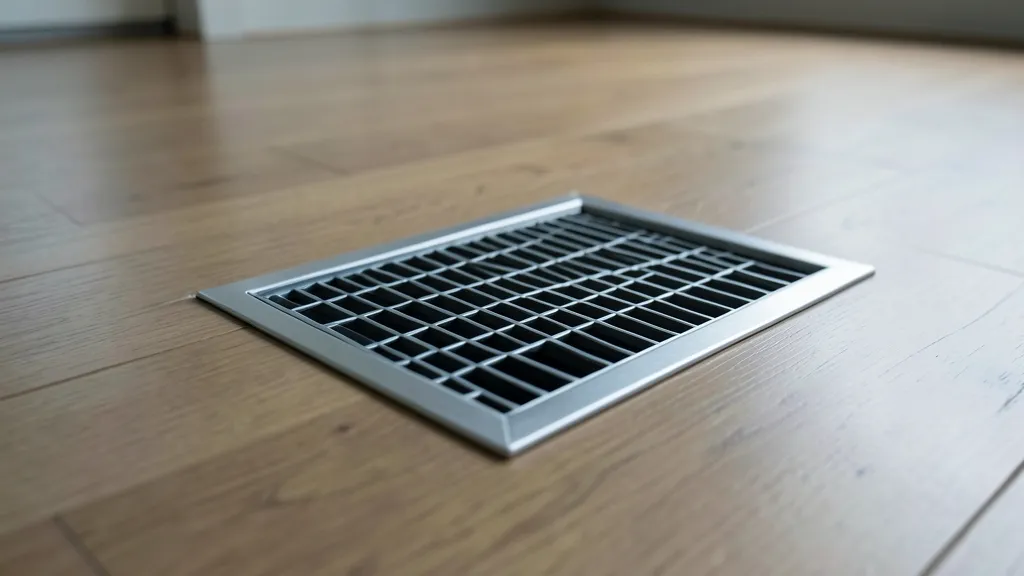
A professional duct inspection isn’t just about peeking into your vents. We use specialized tools to assess airflow, contamination, and structural integrity—so you know exactly what’s happening inside your system. Here’s what our team checks during every LaGrange inspection, and why it matters for your home’s air quality and efficiency.
Why a Duct Inspection Matters for Your Home
Your HVAC system circulates air through every room, and over time, ducts accumulate dust, debris, and even mold. In our humid Georgia climate, moisture can accelerate these issues, reducing efficiency and indoor air quality.
A thorough inspection identifies blockages, leaks, or contamination before they lead to costly repairs or health concerns. It’s the first step toward cleaner air and a more efficient system.
The Tools We Use to Inspect Your Ducts
We don’t guess—we use high-resolution borescopes to visually inspect deep into your ductwork. These cameras reveal hidden buildup, pest intrusions, or damage that a flashlight can’t catch.
A blower door test helps us measure airflow and pinpoint leaks by pressurizing or depressurizing your home. This is critical for energy efficiency, especially in older homes around Hogansville or West Point.
| Tool | Purpose | What It Reveals |
|---|---|---|
| Borescope | Visual inspection | Dust, mold, pest activity, or structural damage |
| Blower Door | Pressure testing | Duct leaks, airflow imbalances, energy loss |
| Anemometer | Airflow measurement | Restricted airflow, blockages, or poor ventilation |
| Moisture Meter | Humidity detection | Condensation, mold risk, or water intrusion |
Step-by-Step: What We Check During the Inspection
We start with the supply and return registers, looking for visible dust or debris. Then, we move to the main trunk lines, where blockages or disconnections often occur.
Next, we examine the duct material—whether it’s flex duct, sheet metal, or fiberboard. Each has unique vulnerabilities, like flex duct sagging or sheet metal corrosion.
Finally, we assess the HVAC unit itself, including the coils and blower motor. Dirty coils or a clogged filter can strain your system, leading to higher energy bills.
Signs You Need a Duct Inspection ASAP
Uneven heating or cooling between rooms often signals duct leaks or blockages. If some areas feel stuffy while others are drafty, your ducts may be to blame.
Musty odors, excessive dust, or allergy flare-ups can indicate mold or debris buildup. In homes near Franklin or Grantville, pollen and outdoor contaminants can exacerbate these issues.
If you notice black dust around vents or hear whistling noises, your ducts may have serious leaks or mold. Address these quickly to avoid health risks or system damage.
How Often Should You Inspect Your Ducts?
For most homes, we recommend a professional duct inspection every 3–5 years. However, if you’ve recently renovated, moved into an older home, or noticed air quality issues, inspect sooner.
Pets, smokers, or residents with allergies may need more frequent checks. Commercial properties, like those in Pine Mountain, often require annual inspections due to higher usage.
What Happens After the Inspection?
We provide a detailed report with photos and findings. If we spot issues like mold, heavy debris, or leaks, we’ll recommend solutions—whether it’s a full duct cleaning, HVAC coil cleaning, or dryer vent cleaning.
For severe contamination, we might suggest mold and mildew duct treatment or UV light sanitization. These services are especially valuable in humid areas like LaGrange, where moisture is a constant battle.
If allergies or odors persist, our indoor air quality testing can identify pollutants like mold spores, dust mites, or VOCs. This helps tailor the right solution for your home.
Duct Inspection vs. Duct Cleaning: What’s the Difference?
An inspection is diagnostic—we assess the condition of your ducts. Cleaning is the solution, where we remove contaminants using specialized equipment like high-powered vacuums and brushes.
Not every inspection leads to cleaning. If your ducts are in good shape, we’ll say so. But if we find significant buildup, cleaning can restore airflow and efficiency.
How to Prepare for Your Duct Inspection
A little prep ensures we can access every part of your system efficiently.
- 1Clear the Area
Move furniture or stored items away from vents, registers, and the HVAC unit. This gives us unobstructed access to inspect and test properly.
- 2Change the Air Filter
Replace your HVAC filter if it’s dirty. A clean filter helps us assess airflow and duct condition more accurately.
- 3Secure Pets
Keep pets in a separate room. Our tools and equipment can be loud or startling, and we want to avoid any disruptions.
- 4Note Problem Areas
Jot down any rooms with poor airflow, odors, or temperature inconsistencies. Share this list with our team to focus the inspection.
- 5Turn Off the HVAC System
Switch off your system 30 minutes before we arrive. This allows dust to settle, making it easier to spot issues during the inspection.
Frequently Asked Questions
How long does a professional duct inspection take in LaGrange?
Most residential inspections take 1–2 hours, depending on your home’s size and ductwork complexity. Larger homes or commercial properties in areas like West Point may require more time.
Can a duct inspection detect mold?
Yes. Our borescopes and moisture meters can identify visible mold or conditions that promote mold growth. For confirmation, we may recommend lab testing of samples collected during the inspection.
Will a duct inspection lower my energy bills?
If we find and seal leaks or remove blockages, your HVAC system won’t have to work as hard. This can improve efficiency and potentially lower energy costs. The inspection itself identifies the opportunities for savings.
Do you inspect dryer vents during a duct inspection?
Dryer vents are separate from your HVAC ductwork, but we can inspect them as an add-on service. Clogged dryer vents are a fire hazard and common in older homes around Hogansville and Grantville.
Is duct inspection necessary if my home is new?
Even new homes can have duct issues. Construction debris, improper installation, or poor sealing can affect performance. An inspection ensures your system starts off right.
What’s the most common problem you find during inspections in this area?
In LaGrange and surrounding areas, we often see dust and pollen buildup due to the climate, as well as duct leaks from poor connections or aged materials. Humidity also leads to mold risks in poorly insulated ducts.