7 Clear Signs Your LaGrange Home Needs Air Duct Cleaning
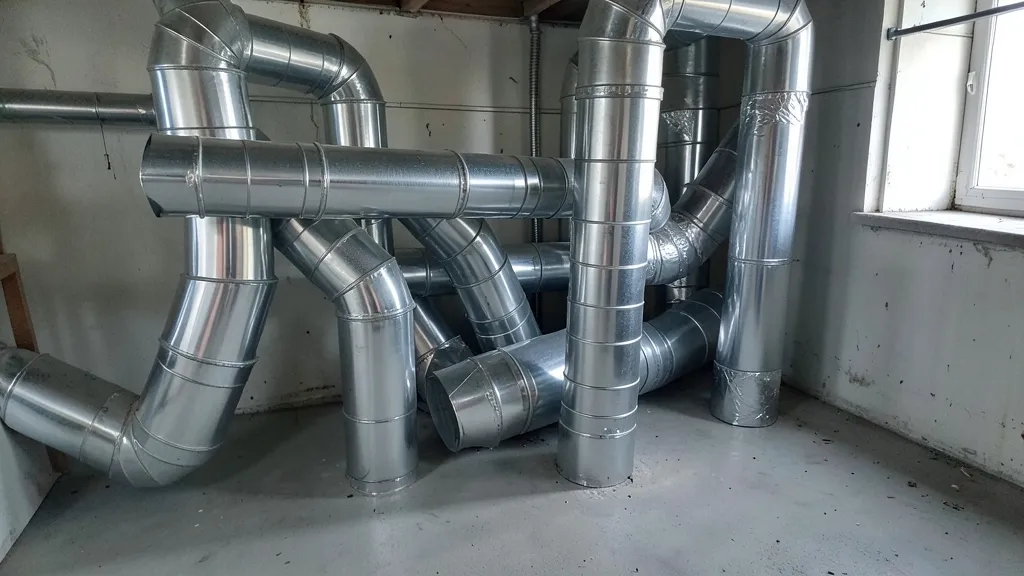
Your ductwork is the lungs of your home, circulating air through every room. When contaminants build up, they don’t just stay in the ducts—they spread. Recognizing the early signs can save you from costly HVAC strain and poor indoor air quality before they escalate.
Visible Dust and Debris Around Vents
If you notice dust puffs when the system kicks on, or see dark streaks around supply registers, your ducts are likely overloaded. Fine particulate recirculates constantly, coating surfaces and aggravating allergies.
In older LaGrange homes with fiberglass-lined ducts, degradation can release fibers into the airflow. A quick visual check at the vents often reveals the first clues.
Unexplained Allergy or Respiratory Flare-Ups
Sneezing, itchy eyes, or congestion that worsens indoors often points to airborne irritants trapped in ductwork. Pet dander, pollen, and dust mites thrive in unclean systems, especially during Georgia’s humid summers.
Families in Hogansville or West Point with pets or seasonal allergies frequently report relief after a thorough duct cleaning and coil sanitization.
A clogged air filter can mimic duct issues. Replace it before assuming you need a full cleaning—if symptoms persist, the ducts are likely the culprit.
Musty Odors or Lingering Smells
A stale, musty scent when the HVAC runs usually signals mold or mildew growth in the ductwork or evaporator coil. High humidity in our region accelerates this, especially in basements or crawl spaces.
If odors return shortly after cleaning surfaces or using air fresheners, the source is probably hidden in your system. Professional mold treatment and UV sanitization can resolve persistent issues.
Inconsistent Airflow or Temperature Swings
Blocked or dirty ducts restrict airflow, causing some rooms to feel stuffy while others stay cold. This forces your HVAC to work harder, shortening its lifespan and hiking energy use.
Homes in Franklin or Grantville with older systems often see this first. A simple airflow test at each register can confirm uneven distribution.
| Issue | Effect on System | Solution |
|---|---|---|
| Excessive dust buildup | Reduces airflow, strains blower | Professional duct cleaning |
| Collapsed flex duct | Blocks supply to rooms | Duct inspection and repair |
| Dirty evaporator coil | Restricts cooling efficiency | HVAC coil cleaning |
| Clogged air filter | Limits overall airflow | Regular filter replacement |
Visible Mold Growth Inside Ducts or on Components
If you spot black or greenish patches on duct surfaces, coil fins, or the drip pan, mold is actively growing. This requires immediate attention, as spores can spread rapidly through your home.
Mold in ducts often stems from moisture issues—common in Pine Mountain’s damper climate. We use EPA-approved treatments to eliminate growth and prevent recurrence.
Household cleaners can’t reach deep into ductwork and may worsen contamination. Always hire professionals for mold remediation in HVAC systems.
Increased Energy Bills Without Explanation
Dirty ducts force your HVAC to run longer to maintain comfort, spiking energy consumption. The U.S. Department of Energy estimates that 25–40% of a system’s energy is wasted due to contaminated ductwork.
Tracking your monthly costs can reveal the pattern. If bills climb despite normal usage, a duct inspection is a smart next step.
Pest Infestations or Droppings in Ducts
Rodents, insects, or even birds can enter ductwork through gaps or uncapped vents. Their nests and droppings not only contaminate air but can also damage duct linings.
Rural areas near LaGrange see this more often. A thorough cleaning removes debris and seals entry points to prevent future intrusions.
Noisy HVAC Operation or Rattling Sounds
Debris in the ducts can cause rattling, whistling, or banging as the system operates. Loose components or collapsed sections may also create unusual noises.
These sounds often indicate a need for both cleaning and inspection. Ignoring them can lead to costly repairs down the line.
When to Schedule a Duct Inspection
- After a major renovation or construction project
- If you’ve recently moved into an older home
- When allergies or respiratory issues flare up indoors
- If you notice pests or signs of infestation
- Before peak summer or winter seasons
How to Inspect Your Ducts for Contamination
A quick visual and sensory check can reveal whether your ducts need professional attention.
- 1Turn Off the HVAC System
Safety first. Switch off power at the thermostat and breaker to prevent the blower from activating during inspection.
- 2Remove and Inspect Vent Covers
Use a screwdriver to take off a few supply and return registers. Shine a flashlight inside to look for dust buildup, mold, or debris.
- 3Check for Visible Mold or Pest Signs
Look for black specks, white webbing, or droppings. Mold often appears as fuzzy patches, while pest evidence includes nests or chewed materials.
- 4Test Airflow and Odors
Turn the system back on briefly. Weak airflow or musty smells emerging from vents confirm contamination.
- 5Inspect the Air Handler and Coil
If comfortable, open the access panel to the blower and coil. Heavy dust or mold here means the entire system needs cleaning.
Frequently Asked Questions
How often should homes in LaGrange have their air ducts cleaned?
Most homes benefit from professional cleaning every 3–5 years. However, factors like pets, allergies, recent renovations, or high humidity may require more frequent service. Request a quote for a tailored recommendation.
Can dirty ducts really make my allergies worse?
Absolutely. Ducts accumulate pollen, dust mites, and pet dander, which circulate continuously. Cleaning the ducts, along with regular air filter replacement, can significantly reduce indoor allergens.
Is air duct cleaning necessary if I replace my HVAC filters regularly?
Filters catch larger particles, but finer contaminants still pass through and settle in ductwork. While filters help, they don’t eliminate the need for periodic duct cleaning to remove built-up debris.
What’s the difference between air duct cleaning and HVAC coil cleaning?
Duct cleaning focuses on the network of ducts distributing air, while coil cleaning targets the evaporator and condenser coils in your HVAC unit. Both are critical for efficiency and air quality, and we often recommend them together.
Do you serve areas outside LaGrange, like Hogansville or West Point?
Yes, our team provides air duct cleaning, dryer vent cleaning, and related services across LaGrange and surrounding communities, including Hogansville, West Point, Franklin, Grantville, and Pine Mountain.
Will cleaning my ducts improve my HVAC system’s efficiency?
Yes. Removing blockages and buildup allows air to flow freely, reducing strain on your system. This can lower energy bills and extend the lifespan of your HVAC equipment.