Infection Control Starts with Clean Ducts: A Guide for LaGrange Hospitals
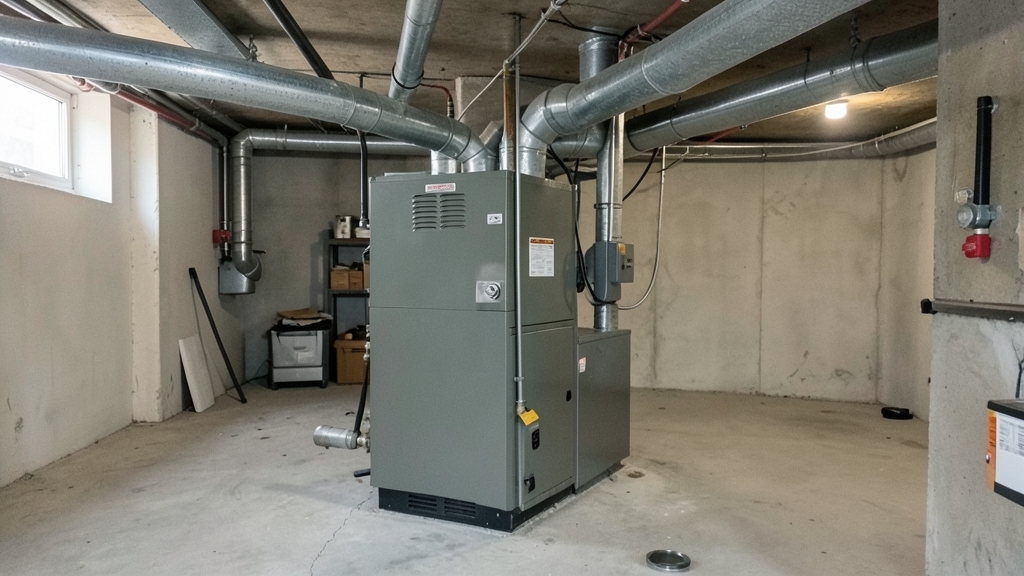
Hospitals in LaGrange face unique challenges with airborne contaminants that can compromise patient safety and recovery. Clean air ducts are a critical, often overlooked line of defense in infection control. Our team specializes in hospital-grade duct hygiene to meet strict healthcare standards.
Why Hospitals Need Specialized Duct Cleaning
Healthcare facilities demand a higher standard of air quality than typical commercial buildings. Contaminated ductwork can harbor bacteria, viruses, and mold spores that exacerbate HAIs (hospital-acquired infections).
Standard residential or commercial duct cleaning doesn’t address the stringent requirements of medical environments.NADCA-certified protocols and HEPA-equipped equipment are used for thorough decontamination
LaGrange’s humid subtropical climate accelerates microbial growth in ducts, making regular professional cleaning non-negotiable for local hospitals.
The Link Between Duct Cleanliness and HAI Reduction
Studies show that poor indoor air quality in hospitals correlates with higher rates of postoperative infections and prolonged patient stays. Clean ducts reduce particulate matter that can carry pathogens.
ASHRAE 170 guidelines for healthcare ventilation emphasize filtration and duct maintenance to control airborne contaminants. Our process aligns with these standards to support infection prevention efforts.
In areas like West Point and Hogansville, where seasonal pollen is heavy, hospitals must also combat outdoor allergens infiltrating HVAC systems.
Skipping duct maintenance can violate Joint Commission standards and put accreditation at risk. Documentation of cleaning is as critical as the service itself.
Our Hospital-Grade Duct Cleaning Process
We begin with a comprehensive inspection using borescopes and particle counters to assess contamination levels. This data guides our targeted cleaning approach.
High-efficiency vacuum systems and agitation tools remove debris without dispersing contaminants. For stubborn microbial growth, we apply EPA-registered disinfectants and UV sanitization treatments.
Post-cleaning verification includes microbial swabs and airflow testing to confirm system integrity. This step ensures compliance with healthcare IAQ protocols.
Duct Cleaning vs. Standard HVAC Maintenance: Key Differences
While routine HVAC maintenance focuses on mechanical performance, duct cleaning targets the accumulation of biological and particulate contaminants within the system.
| Aspect | Standard HVAC Maintenance | Hospital Duct Cleaning |
|---|---|---|
| Primary Goal | Optimize system efficiency and lifespan | Eliminate contaminants to protect patient health |
| Equipment Used | Basic vacuums, filters, coil brushes | HEPA vacuums, antimicrobial treatments, borescopes |
| Frequency | Seasonal or annual | Every 1–3 years, or after outbreaks/renovations |
| Compliance Focus | Manufacturer and energy standards | ASHRAE 170, Joint Commission, CDC guidelines |
| Documentation | Service logs for warranty | Detailed reports for accreditation and infection control audits |
Critical Areas We Address in Healthcare Facilities
Operating rooms require the highest level of duct cleanliness due to their sterile environment needs. We prioritize these zones with enhanced filtration and negative air pressure checks.
Patient rooms, especially those housing immunocompromised individuals, benefit from UV light treatments to neutralize airborne pathogens between cleanings.
Support areas like laundry rooms and kitchens also need attention. Dryer vent cleaning prevents lint buildup that can fuel fires or circulate contaminants.
Hospital Duct Cleaning Priority Zones
- Operating rooms and surgical suites
- ICU and isolation rooms
- Patient wards (especially pediatric and oncology)
- Emergency departments
- Laundry and kitchen exhaust systems
- Air handling units and coil assemblies
Indoor Air Quality Testing: Proving the Results
We don’t just clean—we verify. Indoor air quality testing before and after service quantifies improvements in particulate counts, VOC levels, and microbial presence.
Hospitals in Franklin and Grantville use these reports to demonstrate compliance during inspections. Testing also helps identify hidden issues like mold in ductwork or improper ventilation.
Our team provides clear, actionable data so your facility can address air quality proactively, not reactively.
Schedule IAQ testing after renovations, water damage, or unexplained spikes in patient respiratory issues. Annual testing is a best practice for hospitals.
Maintaining Clean Ducts Between Professional Services
High-quality air filters (MERV 13 or higher) capture finer particles but require more frequent replacement. We recommend a filter maintenance schedule tailored to your hospital’s occupancy and local air quality.
Sealing ductwork prevents outdoor contaminants—like pollen from Pine Mountain’s forests—from entering the system. Regular inspections catch leaks early.
Staff training on HVAC hygiene, such as proper filter handling and reporting water intrusion, extends the benefits of professional cleaning.
How to Prepare Your Hospital for Duct Cleaning
Minimize disruptions and maximize effectiveness with these preparation steps.
- 1Schedule During Low-Occupancy Periods
Coordinate with your facility manager to choose a time that impacts the fewest patients and staff. Off-hours or weekend slots often work best.
- 2Clear Access to HVAC Components
Move equipment, furniture, or stored items away from vents, returns, and air handlers. Our team needs 3–4 feet of clearance to work safely.
- 3Notify Occupants and Adjust Zoning
Inform staff in affected areas and temporarily relocate sensitive patients if needed. Adjust HVAC zoning to isolate sections during cleaning.
- 4Review Containment Protocols
We use plastic sheeting and negative air machines to prevent cross-contamination. Confirm these measures align with your infection control policies.
- 5Plan for Post-Cleaning Verification
Allocate time for testing and documentation. Ensure your team is available to review results and sign off on compliance reports.
Frequently Asked Questions
How often should a LaGrange hospital have its ducts cleaned?
Hospitals should clean ducts every 1–3 years, or immediately after construction, water damage, or an infectious disease outbreak. High-risk areas like ORs may need more frequent attention. Request a quote to assess your facility’s specific needs.
Does duct cleaning disrupt hospital operations?
We minimize disruption by working in phases and during off-peak hours. Containment systems and HEPA filtration prevent airborne contaminants from spreading during the process. Most hospitals in Hogansville and West Point experience little to no operational downtime.
Can duct cleaning help with mold issues in our HVAC system?
Yes. Our process removes existing mold spores and applies antimicrobial treatments to prevent regrowth. However, we also address the root cause—like moisture from poor drainage or condensation—to ensure long-term solutions. Mold & mildew duct treatment is often paired with coil cleaning for comprehensive results.
What certifications should a hospital duct cleaning provider have?
Look for NADCA (National Air Duct Cleaners Association) certification, which ensures adherence to industry standards. Additionally, technicians should be trained in healthcare-specific protocols, including ASHRAE 170 and CDC guidelines for infection control.
Is UV sanitization necessary for hospital ducts?
While not always required, UV light treatment is highly recommended for high-risk areas. It neutralizes bacteria, viruses, and mold spores that may linger after mechanical cleaning, providing an extra layer of protection for patients and staff.
Do you serve hospitals outside LaGrange?
Yes, we provide hospital duct cleaning and related services—including commercial duct cleaning and indoor air quality testing—to facilities in Hogansville, West Point, Franklin, Grantville, and Pine Mountain. Request a quote to discuss your location’s needs.