How to Choose a NADCA-Certified Air Duct Cleaning Company in LaGrange
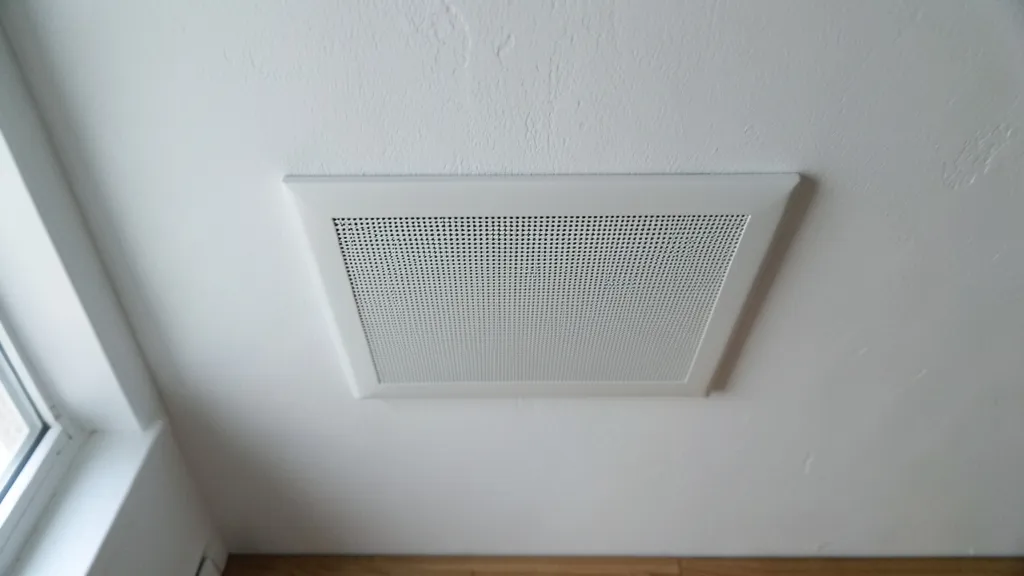
Choosing the right air duct cleaning company isn’t just about price—it’s about expertise, equipment, and integrity. In LaGrange’s humid climate, poorly cleaned ducts can quickly regrow mold or recirculate dust, wasting your investment. We’ll walk you through what NADCA certification really means and how to spot a pro from a pretender.
Why NADCA Certification Matters for Your Ducts
NADCA—National Air Duct Cleaners Association—sets the industry’s gold standard, defining strict protocols for source removal, not just surface cleaning, to physically extract contaminants from your system.
In Georgia’s warm, moist air, subpar cleaning can leave behind residue that fuels mold growth. NADCA pros use HEPA-filtered vacuums and agitation tools to dislodge and capture debris, not just push it further into your ductwork.
Red Flags: What Uncertified Contractors Won’t Tell You
Beware of ‘blow-and-go’ services. If a company quotes a flat rate without inspecting your system or mentions ‘steam cleaning’ ducts, walk away. Steam can damage duct linings and doesn’t remove debris—it just hides it temporarily.
Another warning sign: no proof of liability insurance or worker’s comp. Duct cleaning involves heavy equipment and access to your HVAC. Uninsured techs put your home and their crew at risk.
Some companies advertise ‘whole-house duct cleaning’ for a low price, then upsell you on add-ons like sanitizers or sealants you may not need. Always get a written scope of work upfront.
The Right Equipment for LaGrange Homes
Effective duct cleaning requires negative air pressure machines and rotary brushes or air whips. These tools agitate debris while the vacuum captures it, preventing recontamination of your living spaces.
For older homes in areas like Franklin or Hogansville, flexible ductwork may need special brushes to avoid tearing. Rigid metal ducts, common in newer builds, can handle more aggressive agitation.
| Method | Effectiveness | Best For | Risk of Damage |
|---|---|---|---|
| Negative Air + Agitation | High | All duct types | Low (when done by pros) |
| Rotary Brush Only | Moderate | Flexible ducts | Moderate (if overused) |
| Compressed Air | Low | Light dust | High (can push debris further) |
| Steam Cleaning | Very Low | None (not NADCA-approved) | High (moisture damage) |
Questions to Ask Before Hiring
Start with: ‘Are you NADCA-certified?’ Then ask for their certification number—you can verify it on NADCA’s website. Follow up with: ‘What equipment do you use?’ and ‘Do you provide before-and-after photos?’
For homes near West Point or Pine Mountain, ask if they’ve worked with your duct material (flex, fiberglass, or metal). Also confirm they’ll clean the entire system, including supply, return, and trunk lines—not just the vents you can see.
Must-Ask Questions
- Do you follow NADCA’s ACR2022 standard?
- Will you inspect my system before quoting?
- Do you use HEPA-filtered vacuums?
- Are your technicians background-checked and insured?
- Do you offer indoor air quality testing post-cleaning?
What a Proper Duct Cleaning Includes
A thorough job covers all components: supply and return ducts, registers, grilles, diffusers, and the air handler. In humid climates like ours, we also recommend coil cleaning and dryer vent cleaning to prevent moisture-related issues.
Sanitization is an optional add-on. If you’ve had mold, pet dander, or smoke damage, a NADCA-approved sanitizer can help. But it’s not a substitute for physical cleaning—always remove debris first.
Dirty evaporator coils reduce HVAC efficiency and can spread contaminants. Ask if coil cleaning is included or available as an upgrade. It’s a game-changer for energy bills and air quality.
How Long Does Duct Cleaning Take?
For an average LaGrange home (2,000–3,000 sq ft), expect 3–5 hours. Larger homes or commercial spaces in Grantville may take a full day. The process includes setup, cleaning, and a final inspection with photos or video.
Access matters. If your ducts are in tight crawl spaces or attics, the job may take longer. A reputable company will assess this during the initial inspection.
Maintaining Clean Ducts Between Professional Cleanings
In our area, high pollen counts and dust from agriculture mean ducts get dirty faster. Change your air filters every 1–3 months (use MERV 8–13 for most homes). Consider a UV light system if allergies are a concern—it kills mold and bacteria in the ductwork.
Seal any gaps in your ductwork to prevent dust and pests from entering. A quick visual check of your vents can reveal early signs of buildup or blockages.
How to Verify a Company’s NADCA Certification
Don’t take their word for it—here’s how to confirm their credentials.
- 1Ask for Their Certification Number
Any NADCA-certified company will provide this. If they hesitate, that’s a red flag.
- 2Check NADCA’s Online Directory
Visit NADCA’s website and search by company name or certification number. Verify their status is ‘Active.’
- 3Review Their Scope of Work
NADCA members must follow the ACR2022 standard. Ask for a written outline of their process and compare it to NADCA’s guidelines.
- 4Look for Proof of Insurance
Request certificates of liability and workers’ compensation insurance. Call the provider to confirm coverage is current.
- 5
Check local reviews for mentions of professionalism, punctuality, and air quality improvements. Avoid companies with complaints about hidden fees or incomplete work.
Frequently Asked Questions
How often should I have my air ducts cleaned in LaGrange?
NADCA recommends every 3–5 years for most homes, but in our humid climate, 3 years is ideal. If you have pets, allergies, or recent renovations, consider cleaning every 2 years. Always inspect first—visible mold or vermin means clean immediately.
Does duct cleaning help with allergies?
Yes, if done correctly. Removing dust, pollen, and pet dander from your ducts reduces airborne allergens. For best results, pair it with coil cleaning and a high-quality air filter. Some LaGrange residents also add UV sanitization for extra protection.
Can duct cleaning improve my HVAC’s efficiency?
Absolutely. The U.S. Department of Energy estimates that 25–40% of energy used for heating or cooling is wasted due to dirty ducts. Clean ducts allow better airflow, reducing strain on your system and lowering utility bills.
What’s the difference between residential and commercial duct cleaning?
Commercial systems are larger, often with complex layouts and heavier contamination (e.g., from cooking or industrial processes). They require specialized equipment and may involve cleaning multiple zones or VAV boxes. Residential jobs focus on single-family systems.
Do you serve areas outside LaGrange, like Hogansville or West Point?
Yes, we regularly service Hogansville, West Point, Franklin, and surrounding areas. Travel time may affect scheduling, but our process and standards remain the same. Request a quote to confirm availability in your neighborhood.
Is mold treatment included in a standard duct cleaning?
Not always. Standard cleaning removes physical debris, but mold may require additional treatment. If we find mold during inspection, we’ll recommend a NADCA-approved sanitizer or, in severe cases, professional mold remediation. Never let a company apply chemicals without first cleaning the ducts.