A Homeowner’s Guide to Understanding Air Duct Cleaning in LaGrange
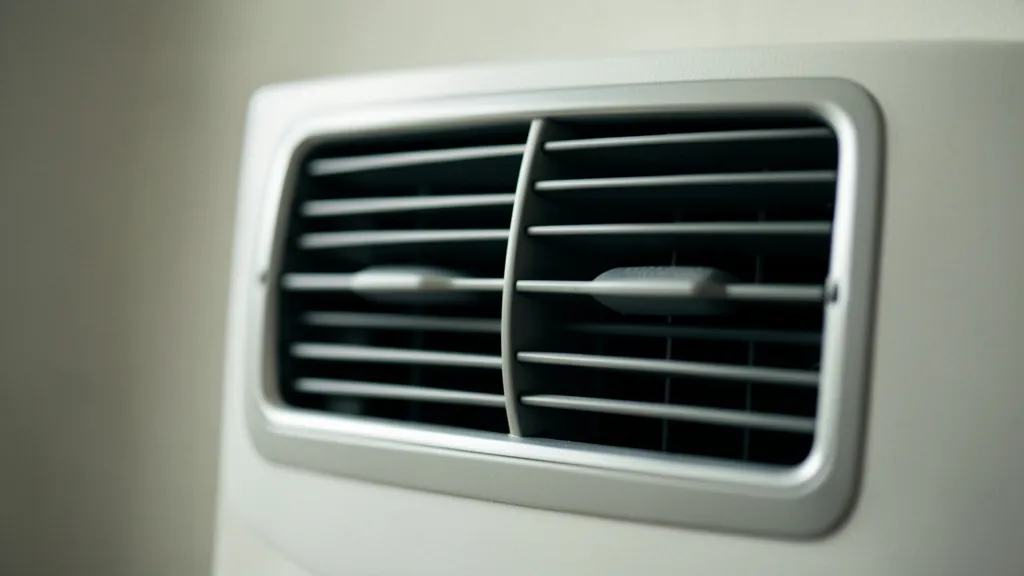
Your home’s ductwork is the circulatory system of your HVAC, silently moving air through every room. Over time, dust, allergens, and even mold can build up, reducing efficiency and air quality. We break down what LaGrange homeowners need to know about professional duct cleaning—when, why, and how it’s done right.
Why Duct Cleaning Matters for Your Home and Health
Indoor air can be two to five times more polluted than outdoor air, according to the EPA. In our humid Georgia climate, ducts trap dust, pollen, and moisture—perfect conditions for mold and mildew growth.
Clean ducts don’t just improve air quality; they restore airflow, helping your HVAC run more efficiently. That means lower energy use and fewer repairs over time.
Signs Your LaGrange Home Needs Duct Cleaning
Visible dust blowing from vents when the system kicks on is a clear red flag. So is a musty odor that lingers no matter how often you clean.
Uneven heating or cooling between rooms often signals blocked ducts. If allergies flare up indoors, or you notice more dust on surfaces soon after cleaning, it’s time to inspect the system.
Common Warning Signs
- Dust puffs from vents at startup
- Persistent musty or stale odors
- Increased allergy or respiratory issues indoors
- Visible mold growth near vents or inside ductwork
- Higher-than-usual energy bills with no clear cause
How Professional Duct Cleaning Works
We start with a thorough inspection using specialized cameras to assess contamination levels in supply and return ducts, as well as the blower and coils.
Next, we use high-powered HEPA vacuums and agitation tools—brushes, air whips, or compressed air—to dislodge and remove debris. For stubborn mold or bacteria, we apply EPA-approved sanitizers.
Duct Cleaning vs. DIY: What You Can and Can’t Do
A shop vac and a duster might remove surface dust from vents, but they won’t reach deep into the system. Professional equipment creates negative air pressure to pull debris from the entire network.
Improper cleaning can damage ducts or push contaminants further into your home. In older LaGrange homes with flexible ductwork, DIY attempts risk tearing seams or dislodging connections.
| Aspect | Professional Service | DIY Approach |
|---|---|---|
| Equipment | HEPA vacuums, agitation tools, cameras | Household vacuum, basic tools |
| Reach | Entire duct system, coils, blower | Surface-level only |
| Safety | Trained technicians, no damage risk | High risk of damage or incomplete cleaning |
| Sanitization | EPA-approved treatments available | Not typically effective |
| Time | 2–4 hours for average home | Full day or longer, with limited results |
When to Schedule Duct Cleaning in Georgia’s Climate
We recommend cleaning every 3–5 years for most homes, but local conditions may shorten that. High humidity in LaGrange, especially during summer, accelerates mold and mildew growth in ducts.
After major renovations, or if you’ve had water damage, a cleaning is essential. Pet owners, smokers, or households with allergies may need more frequent service.
Schedule duct cleaning in spring or fall when HVAC demand is lower. This allows easier access and faster service.
Related Services to Improve Indoor Air Quality
Duct cleaning is just one piece of a healthier home. Dryer vent cleaning prevents lint buildup—a fire hazard—and improves appliance efficiency. In nearby Hogansville and West Point, we often see clogged vents in older homes.
HVAC coil cleaning removes grime from evaporator and condenser coils, restoring cooling performance. For persistent issues, indoor air quality testing identifies pollutants, while UV light systems can inhibit mold and bacteria growth.
What to Expect During and After Cleaning
Our team seals off supply and return registers, then connects the vacuum system to create negative pressure. We agitate each duct run, working from the farthest point back to the main trunk.
After cleaning, we reinstall vents and perform a final inspection. You may notice a slight dusty smell for a few hours—this is normal. Improved airflow and reduced dust on surfaces are the first signs it worked.
Replace your air filter immediately after cleaning. Consider upgrading to a higher MERV rating (11–13) for better particle capture.
Commercial Duct Cleaning: A Different Approach
Businesses in LaGrange, from restaurants in downtown to offices near Franklin, have unique needs. Commercial systems are larger, often with complex layouts and higher airflow demands.
We use industrial-grade equipment and may need to clean in sections to avoid disrupting operations. Regular maintenance is critical for compliance with health codes and to protect employees and customers.
Many commercial buildings have rooftop HVAC units. These require specialized access and safety protocols for thorough cleaning.
How to Prepare Your Home for Duct Cleaning
A little prep ensures a smooth, efficient service visit.
- 1Clear the Area
Move furniture, rugs, and breakables at least 3–4 feet away from vents and the HVAC unit. This gives our team unobstructed access.
- 2Secure Pets
Keep pets in a separate room or outside during the service. The noise and activity can be stressful for them.
- 3Turn Off HVAC
Switch your system off at the thermostat before we arrive. This prevents dust from circulating during the process.
- 4Point Out Concerns
Show us any problem areas, like musty odors or visible mold. This helps us focus the inspection and cleaning.
- 5Plan for Access
Ensure doors to mechanical rooms, attics, or basements are unlocked. We’ll need to reach every part of the system.
Frequently Asked Questions
How long does air duct cleaning take in an average LaGrange home?
Most residential cleanings take 2–4 hours, depending on the size of your home and the complexity of your ductwork. Larger homes or systems with extensive contamination may take longer.
Will duct cleaning reduce my energy bills?
Yes, by restoring proper airflow, your HVAC system won’t have to work as hard to heat or cool your home. The exact savings depend on the level of buildup and your system’s efficiency.
Is duct cleaning necessary if I change my air filter regularly?
Filters catch larger particles, but finer dust, pollen, and mold spores bypass them and accumulate in the ducts. Regular filter changes help, but they don’t replace professional cleaning.
Can duct cleaning help with allergies?
Absolutely. Removing dust mites, pet dander, and mold spores from your ducts reduces the allergens circulating in your home, which can significantly relieve symptoms.
Do you serve areas outside LaGrange, like West Point or Hogansville?
Yes, we provide full duct cleaning services across Troup County, including West Point, Hogansville, Franklin, and Grantville. Travel times may affect scheduling, but we cover the entire region.
How often should I replace my air filter after duct cleaning?
We recommend replacing your filter immediately after cleaning, then every 1–3 months depending on usage, pets, and local air quality. A higher MERV rating (11–13) offers better protection.