Documenting Air Duct Cleaning for Healthcare Compliance in LaGrange
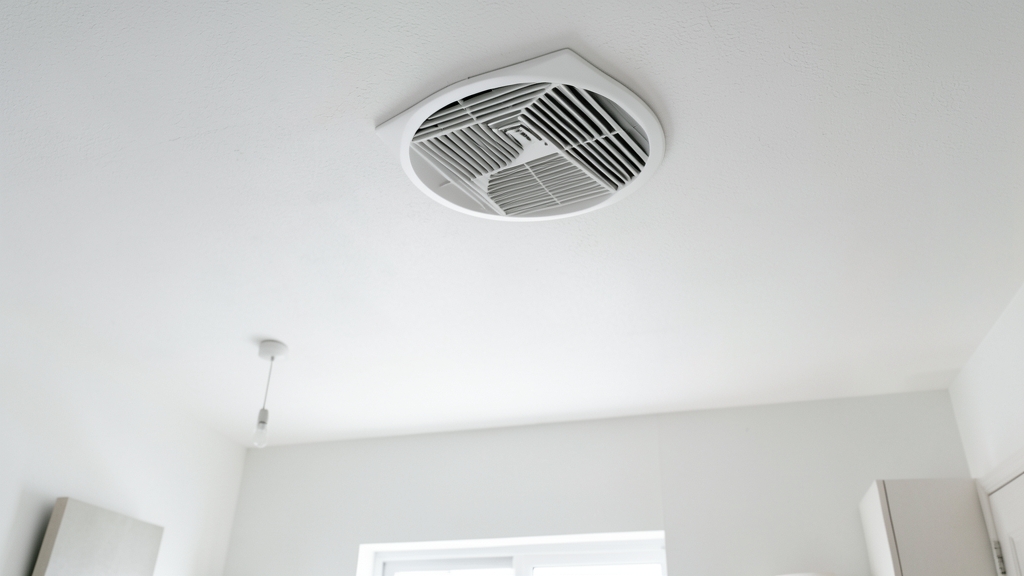
Healthcare facilities in LaGrange face strict air quality regulations to protect patients and staff. Proper documentation of air duct cleaning is critical for compliance with ASHRAE 170, CDC, and OSHA standards. Our team ensures every step is recorded to meet these demands.
Why Documentation Matters in Healthcare Duct Cleaning
Healthcare environments demand proof that air systems meet infection-control standards. Without thorough documentation, facilities risk non-compliance during inspections.
LaGrange’s humid climate accelerates mold and bacteria growth in ducts, making verification even more critical. Proper records show due diligence in preventing airborne contaminants.
Key Compliance Standards for LaGrange Healthcare Facilities
ASHRAE 170 sets ventilation requirements for healthcare, including duct cleanliness. Documentation must align with these benchmarks to pass audits.
OSHA and CDC guidelines also require proof of contamination control, especially in high-risk areas like operating rooms and isolation wards.
| Standard | Focus Area | Documentation Requirement |
|---|---|---|
| ASHRAE 170 | Ventilation for Healthcare | Pre/post-cleaning particle counts, airflow verification |
| NADCA ACR 2022 | Duct Cleaning Process | Step-by-step cleaning logs, HEPA vacuum usage |
| CDC HICPAC | Infection Control | Antimicrobial treatment records, mold remediation reports |
| OSHA 1910.134 | Respiratory Protection | Containment and PPE compliance logs |
Pre-Cleaning Documentation: The Foundation of Compliance
Before cleaning, we conduct a visual inspection and photograph all ductwork, air handlers, and vents. This establishes baseline conditions for comparison.
Indoor air quality testing in LaGrange facilities often reveals elevated spores or dust mites due to seasonal pollen. Pre-testing data must be included in reports.
Always note the date, time, and environmental conditions (humidity, temperature) during inspections. These factors impact contamination levels.
During Cleaning: Real-Time Record Keeping
Our team logs every action, from setting up containment barriers to using HEPA vacuums on supply and return ducts. Negative air pressure readings are recorded continuously.
For commercial duct cleaning in West Point or Hogansville facilities, we document equipment serial numbers and technician certifications to ensure traceability.
Post-Cleaning Verification and Reporting
After cleaning, we perform a final inspection with photographic evidence and particle counts. This proves ducts meet NADCA’s cleanliness standards.
UV light and sanitization treatments, common in Franklin and Grantville healthcare settings, require additional documentation of application methods and dwell times.
Post-Cleaning Documentation Checklist
- Final visual inspection photos with timestamps
- Airflow and pressure differential measurements
- Antimicrobial or UV treatment certificates (if applied)
- Technician signatures and NADCA certification numbers
- Chain-of-custody forms for removed contaminants
Common Pitfalls in Healthcare Duct Documentation
Many facilities in LaGrange overlook documenting containment setup or PPE usage. Inspectors often flag these omissions during audits.
Failing to link pre- and post-cleaning data can invalidate compliance efforts. Always cross-reference test results with cleaning logs.
Never discard raw data (e.g., particle counters, moisture meters). Auditors may request it to verify your final report’s accuracy.
Digital vs. Paper Records: What Works Best
Digital documentation with cloud backups is ideal for LaGrange healthcare providers. It simplifies sharing with inspectors and ensures long-term accessibility.
Paper logs can still comply but require meticulous organization. Hybrid systems, combining digital photos with signed paper forms, are common in Pine Mountain facilities.
Integrating Duct Cleaning with Broader IAQ Strategies
Healthcare compliance isn’t just about ducts. Regular HVAC coil cleaning, air filter replacement, and indoor air quality testing in LaGrange facilities create a holistic approach.
Mold and mildew duct treatments, often needed in humid Georgia summers, should be documented alongside cleaning to address root causes of contamination.
How to Organize Duct Cleaning Documentation for Inspections
Follow these steps to ensure your records are audit-ready.
- 1Create a Master File
Compile all pre-, during, and post-cleaning documents in a single digital folder. Use subfolders for photos, test results, and technician logs.
- 2Label Everything Clearly
Name files with the date, facility area (e.g., ‘OR3_SupplyDuct_PreClean_2024’), and document type. Avoid generic labels like ‘Duct1.jpg’.
- 3Cross-Reference Data
Link particle counts to specific ducts and cleaning actions. For example, note that ‘Duct A’s post-cleaning count improved from 500 to 50 CFM after HEPA vacuuming.’
- 4Include Certifications
Attach copies of NADCA certifications, equipment calibrations, and antimicrobial product MSDS sheets to the master file.
- 5Review with Your Team
Conduct a pre-submission review to ensure no steps are missing. Use the checklist above to verify completeness.
Frequently Asked Questions
How often should healthcare facilities in LaGrange document duct cleaning?
ASHRAE 170 recommends cleaning and documenting ducts every 1–2 years, but high-risk areas like surgical suites may require annual verification. Always document after any renovation or contamination event.
What’s the difference between NADCA and ASHRAE documentation requirements?
NADCA focuses on the cleaning process itself (e.g., methods, equipment), while ASHRAE 170 addresses ventilation performance and air quality outcomes. Both require thorough records but serve different purposes.
Do LaGrange healthcare facilities need to document dryer vent cleaning too?
Yes, especially in laundry areas. While not always tied to HVAC compliance, dryer vent cleaning in healthcare settings reduces fire risks and lint-related air contamination. Document it separately.
Can we use third-party labs for post-cleaning air quality tests?
Absolutely. Third-party labs add credibility to your documentation. Ensure they provide detailed reports with methodology, results, and chain-of-custody information for samples.
What happens if our LaGrange facility fails an inspection due to poor documentation?
You’ll typically receive a corrective action request. Our team can help remediate gaps, but it’s far easier to document properly from the start. Request a quote to assess your current records.
Are UV light treatments required for healthcare duct compliance in Georgia?
Not required, but they’re highly recommended for infection control. If used, UV treatments must be documented with application details, wavelength, and maintenance schedules.