The Best Tools for Cleaning Air Vents and Registers in LaGrange
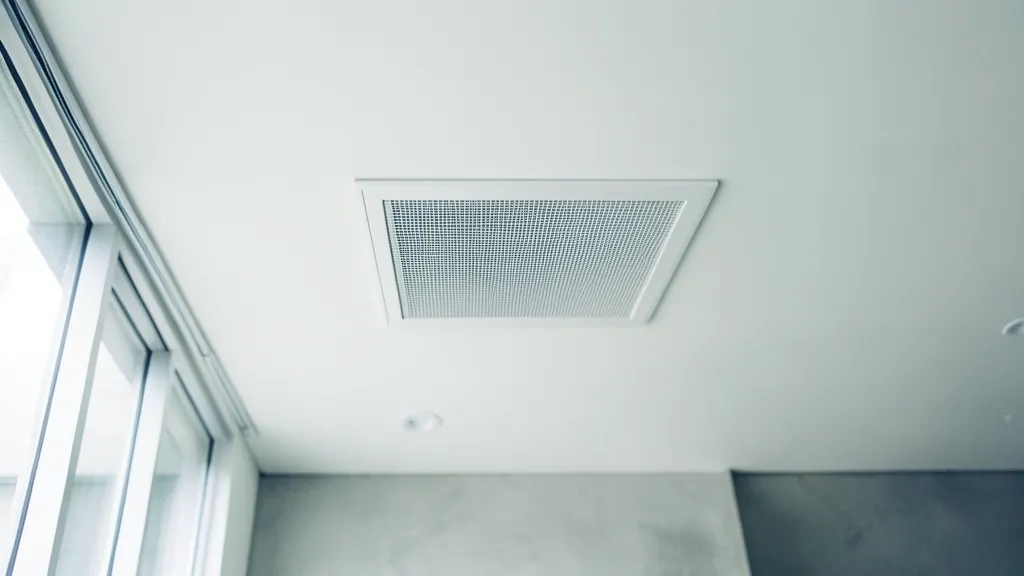
Clean air vents and registers are the first line of defense against poor indoor air quality. In LaGrange’s humid climate, dust, pollen, and mold can build up fast, clogging your system and reducing efficiency. The right tools make all the difference—here’s what we rely on for professional-grade results.
Why Professional Tools Matter for Air Vent Cleaning
Household vacuums and dust cloths only scratch the surface. Professional tools reach deep into ductwork, dislodging contaminants that recirculate through your home.
In LaGrange, seasonal pollen and humidity accelerate buildup. Standard tools miss hidden debris in flex ducts, trunk lines, and coil compartments.
We follow National Air Duct Cleaners Association guidelines, which require specialized equipment to achieve verified cleanliness levels.
Essential Tools in Our Air Duct Cleaning Arsenal
High-powered HEPA vacuums capture fine particulates without redistributing them. These units create negative air pressure, pulling debris from deep in the system.
Rotary brush systems with adjustable speed and bristle stiffness agitate stubborn buildup in both metal and flex ducts. We match brush types to duct materials to avoid damage.
Compressed air tools, like skipper balls and air whips, blast loose contaminants in hard-to-reach sections. These are especially effective in long, straight runs common in older LaGrange homes.
Specialized Equipment for Registers and Grilles
Crevice tools and soft-bristle brushes clean vent covers without scratching finishes. Many LaGrange homes have decorative registers that require gentle handling.
Inspection cameras with LED lighting let us verify cleanliness in real time. These reveal hidden mold, pest debris, or collapsed duct sections that need repair.
Microfiber cloths and electrostatic dusters tackle surface-level grime on registers, ensuring a polished finish after deep cleaning.
| Tool | Best For | Limitations |
|---|---|---|
| HEPA Vacuum | Deep duct debris removal | Limited reach in tight bends |
| Rotary Brush | Stubborn buildup in ducts | Requires proper bristle selection |
| Crevice Tool | Register and grille surfaces | Not for internal duct cleaning |
| Inspection Camera | Post-cleaning verification | Does not remove debris |
Advanced Tools for Tough Jobs
For severe contamination, we deploy negative air machines to contain spores and allergens during cleaning. This is critical in humid areas like LaGrange, where mold growth is common.
Flexible rod systems with interchangeable heads navigate complex duct layouts, including those in multi-story homes or commercial buildings in nearby Hogansville or West Point.
UV-C light systems can be installed post-cleaning to inhibit future microbial growth, a smart add-on for homes with allergy sufferers.
Improper tools can damage ducts, dislodge asbestos in older homes, or fail to remove harmful contaminants. Always consult professionals for ductwork cleaning.
How Local Conditions Affect Tool Selection
LaGrange’s hot, humid summers mean moisture can condense in ducts, fostering mold. We prioritize tools that dry and sanitize, like air movers and antimicrobial treatments.
In rural areas like Franklin or Grantville, dust from unpaved roads settles in ducts faster. High-velocity tools are essential to dislodge fine particulate matter.
Older homes may have undersized ducts or sharp bends, requiring smaller, more agile tools to avoid damage during cleaning.
Tools We *Don’t* Recommend
Household vacuum cleaners lack the suction power to pull debris from duct walls. They often just push dust further into the system.
Wire brushes or metal scrapers can scratch duct interiors, creating surfaces for future mold growth. Always use non-abrasive tools.
Chemical sprays sold for DIY cleaning can leave residues that attract more dust. Professional-grade sanitizers are formulated to evaporate cleanly.
Before cleaning, we inspect for asbestos, pest infestations, or duct damage. Addressing these first ensures a safe, effective process.
Maintaining Clean Vents Between Professional Services
Replace HVAC filters every 1-3 months, especially during LaGrange’s peak pollen seasons. High-MERV filters capture finer particles but may require more frequent changes.
Regularly dust registers and grilles with a microfiber cloth to prevent buildup. Avoid harsh cleaners that can corrode metal components.
Consider adding a whole-home air purifier or UV light system to extend the life of your duct cleaning. These are popular upgrades in Pine Mountain and West Point homes.
DIY Vent Maintenance Checklist
- Inspect registers monthly for dust buildup
- Vacuum visible dust from grilles with a soft brush attachment
- Check and replace HVAC filters regularly
- Ensure outdoor vents are clear of debris and obstructions
- Monitor indoor humidity levels to prevent mold growth
How to Inspect Your Vents for Cleaning Needs
A quick inspection can reveal whether your vents need professional attention.
- 1Visual Check
Remove register covers and shine a flashlight into the ducts. Look for dust, cobwebs, or mold spots on the first few inches of ductwork.
- 2Airflow Test
Hold a tissue near the register when the HVAC is running. Weak airflow may indicate blockages in the ducts.
- 3Odor Detection
Sniff near the vents while the system is running. Musty or stale smells suggest mold or trapped debris.
- 4Filter Inspection
Check your HVAC filter. If it’s clogged with dust or shows black mold, your ducts likely need cleaning too.
- 5Allergy Monitoring
Pay attention to increased allergy symptoms at home. Poor indoor air quality often worsens respiratory issues.
Frequently Asked Questions
How often should air vents be cleaned in LaGrange?
We recommend every 3-5 years for most homes, but LaGrange’s humidity and pollen may require more frequent cleaning. Homes with pets, smokers, or allergy sufferers often need service every 2-3 years.
Can dirty air vents affect my HVAC system’s efficiency?
Absolutely. Clogged vents restrict airflow, forcing your HVAC to work harder. This reduces efficiency, increases energy costs, and shortens the system’s lifespan. Clean vents improve static pressure balance.
What’s the difference between vent cleaning and duct cleaning?
Vent cleaning focuses on registers and grilles, while duct cleaning targets the entire ductwork system, including trunk lines and branch ducts. Both are important for optimal indoor air quality.
Are there signs my ducts need more than just cleaning?
Yes. If you notice uneven heating/cooling, whistling noises, or visible duct damage, you may need repairs or sealing. Our team can assess during the cleaning process.
Do you service areas near LaGrange, like Hogansville or West Point?
Yes, we provide air duct cleaning, dryer vent cleaning, and HVAC coil cleaning across LaGrange and surrounding areas, including Hogansville, West Point, Franklin, and Grantville.
Is UV light treatment worth it for LaGrange homes?
UV light systems are highly effective in humid climates like ours. They inhibit mold and bacteria growth in ducts, reducing odors and improving air quality. We often recommend them as an add-on service.